
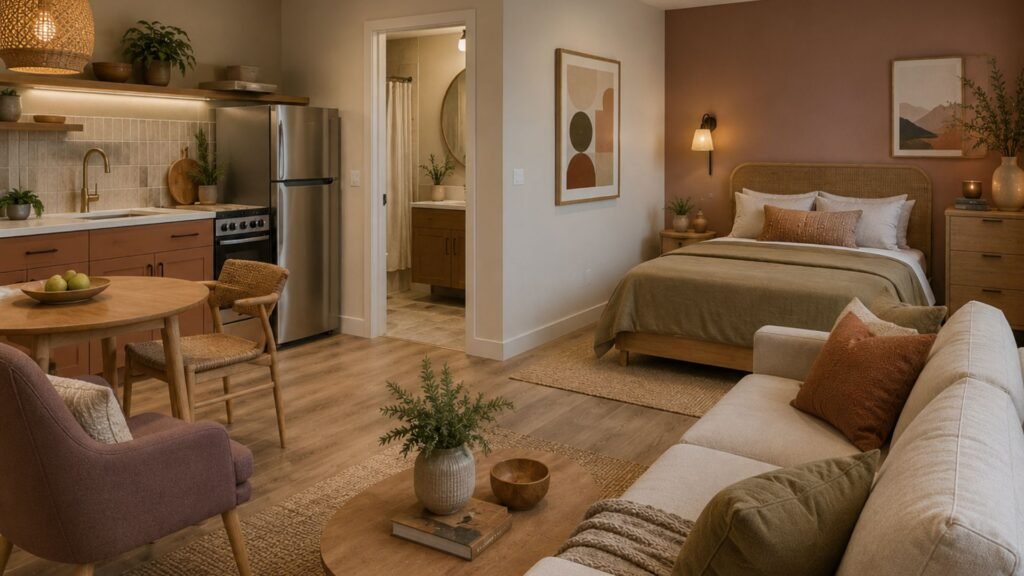
If you are planning to create extra living space in your home, you may already know that a basement apartment or additional unit can be a great way to increase property value and generate rental income. However, many homeowners are surprised when their secondary suite Calgary application does not get approved the first time.
This can feel frustrating, especially when the idea seems simple: convert unused space into a legal rental unit. In reality, the approval process involves safety rules, city by laws, and technical requirements that must all align. The good news is that most rejections are avoidable once you understand what inspectors are looking for.
In this guide, we’ll break down the most common reasons applications are denied and how you can improve your chances of approval in clear, simple language.
What is a Secondary Suite?
A secondary suite (often called a basement suite, legal basement apartment, or accessory dwelling unit) is a self-contained living space within a primary residential home. It typically includes:
- A private entrance
- A kitchen or kitchenette
- A bathroom
- A sleeping and living area
In many Canadian cities, including Calgary, these suites are allowed under specific conditions. They must meet safety codes and zoning requirements to ensure they are safe for long-term living.
When properly approved, these units provide affordable housing options while helping homeowners offset mortgage costs.
Why Applications Get Rejected in Calgary
Many homeowners assume that converting a basement or adding a rental unit is mostly construction work. In reality, approval depends heavily on documentation, compliance, and safety standards. Below are the most common reasons applications for a legal basement suite Calgary project get rejected.
One of the most important steps before starting a project is understanding local regulations, which are explained in Secondary Suite Calgary Rules You Must Know Before Building.
1. Zoning and Land Use Restrictions
One of the first things the city checks is whether your property is even eligible for a secondary suite.
Some neighbourhoods have restrictions based on zoning rules. For example, certain residential zones may allow suites only in specific building types or lot sizes.
Common issues include:
- Property not zoned for secondary dwelling units
- Neighbourhood-specific restrictions
- Overdensity rules already exceeded in the area
If your zoning does not allow it, your application will be rejected before design review even begins.
2. Fire and Safety Code Violations
Safety is the most important factor in approval decisions. A large number of applications fail because they do not meet fire separation or emergency exit requirements.
Key safety issues include:
- Missing or improper fire-rated drywall between units
- Lack of a proper second exit (egress window or door)
- Inadequate smoke and carbon monoxide alarms
- Shared ventilation systems without proper separation
A basement suite must allow occupants to exit safely in case of emergency. Even small design errors can result in rejection.
3. Improper Ceiling Height
A surprisingly common reason for rejection is low ceiling height.
Building codes require minimum ceiling heights in living spaces. If your basement is too low after finishing floors and ceilings, it may not meet requirements.
This issue is often overlooked during early planning, especially in older homes where basements were not originally designed for living spaces.
4. Incomplete or Incorrect Drawings
City approvals rely heavily on technical drawings. If your plans are unclear, missing details, or not professionally prepared, your application is likely to be delayed or rejected.
Common documentation mistakes include:
- Missing floor plans or elevations
- No structural details for walls or beams
- Incorrect measurements
- Lack of mechanical and electrical layouts
A detailed and accurate submission is essential for approval.
5. Parking Requirements
Depending on your property location and zoning, you may be required to provide additional parking for a secondary suite.
If your lot does not meet parking standards, or if the design reduces available parking space, the application may be denied.
This is especially important in areas with narrow lots or limited street parking availability.
6. Ventilation and Natural Light Problems
A habitable unit must have proper airflow and natural light. Many applications fail because basements feel too enclosed or poorly ventilated.
Typical issues include:
- Small or missing windows
- Windows that do not meet size requirements for emergency escape
- Poor air circulation systems
- No mechanical ventilation upgrades
Even if a space looks fine during renovation, it still must meet code requirements for livability.
7. Electrical and Plumbing Non-Compliance
Adding a suite means adding a full or partial kitchen and bathroom. These require updated electrical and plumbing systems.
Applications are often rejected when:
- Electrical load capacity is insufficient
- Wiring is not updated to code
- Plumbing connections are improper or unsafe
- No permits were obtained for previous work
Unpermitted past renovations can also create major approval delays.
8. Structural Changes Without Engineering Approval
If your renovation involves removing walls, adding entrances, or altering structural components, you may need engineering approval.
Without stamped structural drawings, the city may reject the application immediately.
This is a common issue in older homes where homeowners attempt DIY modifications before applying for permits.
How to Avoid Rejection
The approval process becomes much smoother when you prepare properly. Here are practical steps to improve your chances of success when applying for a secondary suite Calgary permit.
1. Start with Zoning Verification
Before designing anything, confirm your property is eligible. This saves time and prevents wasted design costs.
2. Work with Professionals
Hiring experienced designers, architects, or permit consultants can significantly reduce rejection risk. They understand building codes, zoning laws, and submission requirements.
3. Prepare Detailed Drawings
Ensure your plans include:
- Accurate measurements
- Electrical and plumbing layouts
- Structural details
- Emergency exit design
- Fire safety features
The more complete your submission, the smoother the review process.
4. Plan Safety Features Early
Do not treat safety upgrades as an afterthought. Design fire separation, ventilation, and exits from the beginning of the project.
5. Check Existing Conditions Carefully
Older homes often hide problems such as:
- Low ceilings
- Foundation limitations
- Moisture issues
- Outdated wiring
A pre-inspection can help identify issues before submission.
6. Budget for Code Upgrades
Many homeowners underestimate the cost of bringing a property up to code. Plan for electrical, plumbing, and structural upgrades in advance.
7. Follow Permit Process Properly
Never skip permits for smaller work. Even minor unapproved renovations can cause complications during review.
Conclusion
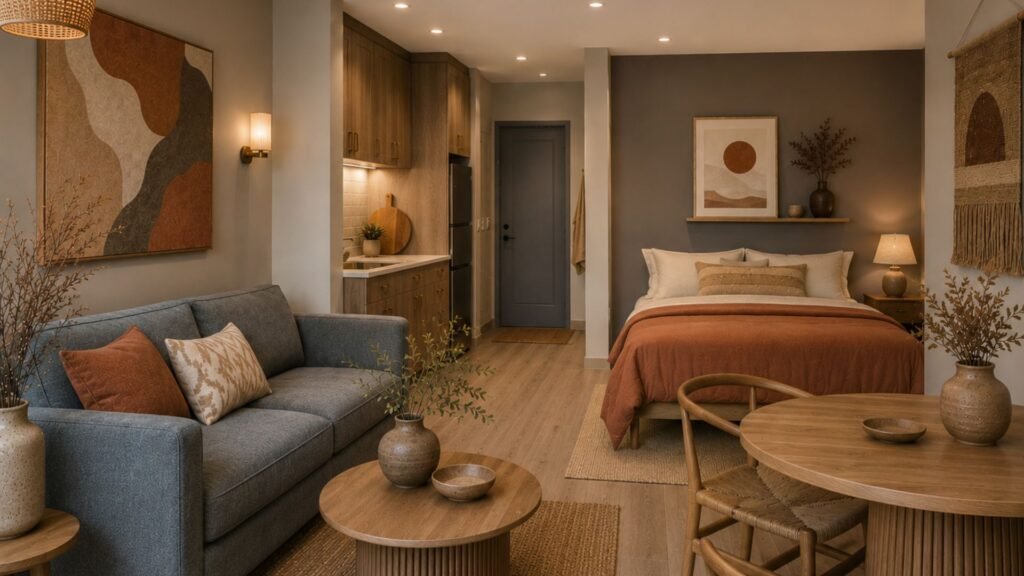
Creating a rental unit in your home can be a smart financial move, but approval depends on careful planning and compliance with city regulations. Most rejections are not random; they happen because of missing documents, safety issues, zoning limitations, or design errors.
By understanding the common pitfalls and preparing properly, you can significantly improve your chances of success when applying for a secondary suite in the Calgary project.
A well-designed, code-compliant space not only gets approved faster but also ensures safety, comfort, and long-term value for your property.
Frequently Asked Questions
Why do Secondary Suite Calgary applications get rejected?
Applications are usually rejected because of zoning issues, fire safety violations, low ceiling height, missing permits, or incomplete building plans.
How can I improve my chances of getting a secondary suite approved?
You can improve approval chances by following local building codes, preparing accurate drawings, meeting safety standards, and checking zoning rules early.
What are the most common mistakes in Secondary Suite Calgary applications?
Common mistakes include poor ventilation, improper exits, outdated electrical systems, incorrect layouts, and missing safety features.
Do I need a permit for a secondary suite in Calgary?
Yes, homeowners need proper permits and approvals before building a legal basement suite or secondary dwelling unit in Calgary.