
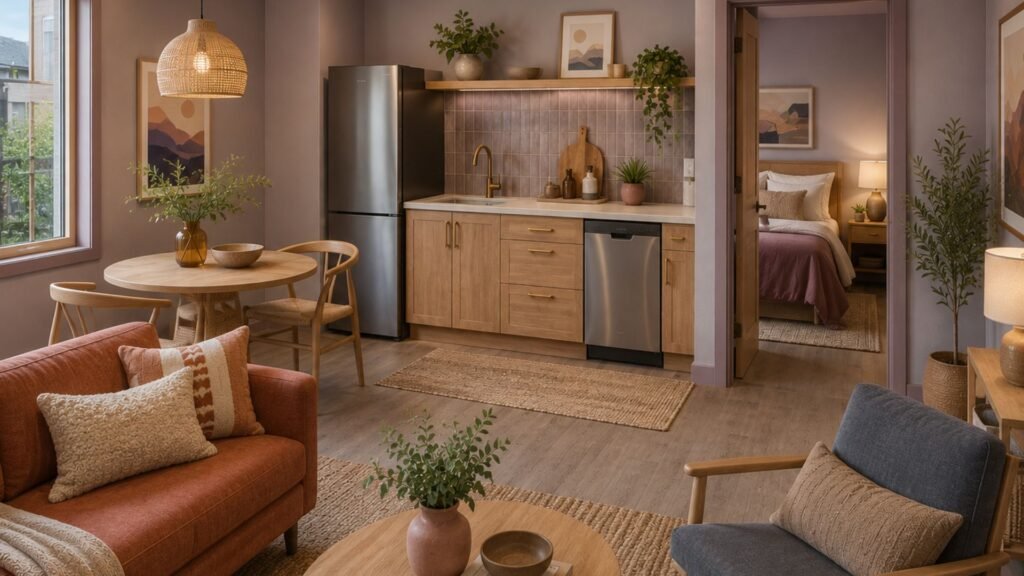
Adding a secondary suite in Calgary can be one of the smartest ways to increase your property’s value and create rental income. But before you start drawing plans or hiring a contractor, it’s important to understand the local rules, zoning requirements, and building standards that apply. Many homeowners rush into the process without full knowledge and end up facing delays, extra costs, or even rejection of their application.
This guide breaks everything down in simple, easy-to-understand language so you can confidently plan your basement suite, in-law suite, or legal rental unit in Calgary without confusion.
What Is a Secondary Suite in Simple Terms?
A secondary suite is a self-contained living space inside a home. It usually has its own kitchen, bathroom, bedroom, and entrance. You might also hear it called:
- Basement suite
- In-law suite
- Rental unit
- Legal basement apartment
- Additional dwelling unit (ADU)
In cities like Calgary, these units are common because they help homeowners offset mortgage costs and make better use of existing space.
However, not every basement or extra room automatically qualifies as a legal suite. That’s where the rules come in.
Why Calgary Has Strict Rules for Secondary Suites
The City of Calgary regulates secondary suites to ensure:
- Fire safety for residents
- Proper ventilation and lighting
- Safe exits during emergencies
- No overcrowding in residential neighborhoods
- Compatibility with zoning laws
These rules are not meant to make things difficult. Instead, they ensure that rental units are safe and comfortable for both tenants and homeowners.
Zoning Rules You Must Check First
Before anything else, you need to confirm whether your property allows a secondary suite.
In Calgary, not all residential zones permit suites by default. Some areas require approval or special permits.
You should check:
- If your property is in a permitted zone
- Whether a land use redesignation is required
- If your home already has an approved suite
Ignoring zoning rules is one of the biggest mistakes homeowners make. Even if your basement is ready, you cannot legally rent it out without approval.
Building Code Requirements for Safety
One of the most important parts of creating a legal suite is meeting building code standards. These rules focus mainly on safety.
1. Ceiling Height
Most livable rooms must meet minimum ceiling height requirements. Low basements may need structural adjustments.
2. Emergency Exits
Every sleeping area must have a proper emergency exit, usually a large egress window or door. This is crucial for fire safety.
3. Fire Separation
A fire-resistant barrier must separate the main home from the secondary suite. This helps slow the spread of fire.
4. Ventilation and Lighting
The suite must have proper airflow and natural light. Dark, poorly ventilated basements will not pass inspection.
5. Soundproofing
While not always mandatory, soundproofing between units is highly recommended to improve tenant comfort.
These rules ensure that a basement apartment or rental suite is safe and livable, not just functional.
Permits You Will Need
To legally build a secondary suite in Calgary, you typically need:
- Building permit
- Development permit (in some cases)
- Electrical permit
- Plumbing permit
Each permit ensures your renovation meets safety and zoning standards.
Skipping permits might seem like a shortcut, but it can lead to fines or being forced to remove the suite entirely.
Parking Requirements You Should Know
Parking is another important consideration. Many properties must provide at least one off-street parking space for the suite.
In some neighborhoods, especially dense urban areas, rules may vary. Always check local guidelines before finalizing your design.
If parking is limited, you may need to adjust your plan or apply for exceptions.
Entrance and Privacy Rules
A legal secondary suite must have:
- A separate entrance (side or back door is common)
- Safe and accessible pathways
- Privacy separation from the main home
Shared entrances are sometimes allowed, but only under specific conditions. Most homeowners prefer separate access for privacy and rental appeal.
Electrical and Plumbing Standards
Utilities are a major part of compliance.
- Electrical systems must be properly divided or metered
- Plumbing must meet code and prevent cross-contamination
- Heating systems must safely serve both units
Sometimes, homeowners install separate meters for tenants, but this depends on design and budget.
Fire Safety Requirements You Cannot Skip
Fire safety is one of the strictest parts of the approval process.
Your suite must include:
- Smoke alarms in all sleeping areas
- Carbon monoxide detectors
- Fire-rated drywall in shared walls
- Clear escape routes
- Properly installed doors with fire resistance
These rules are non-negotiable because they protect lives.
Inspection Process Explained Simply
Once your renovation is complete, the city will inspect the suite. Inspectors check:
- Structural safety
- Electrical wiring
- Plumbing setup
- Fire safety compliance
- Ventilation and lighting
If something doesn’t meet standards, you’ll need to fix it before approval is granted.
Common Mistakes Homeowners Make
Many people trying to build a rental suite or basement apartment make similar mistakes:
1. Starting without permits
This can lead to expensive legal issues.
2. Ignoring zoning restrictions
Not all properties are eligible.
3. Underestimating renovation costs
Upgrading to code can be more expensive than expected.
4. Poor ventilation planning
This leads to unhealthy living conditions.
5. Skipping inspections
Without approval, your suite is not legal.
Avoiding these mistakes saves both time and money.
Cost Considerations Before You Build
The cost of building a legal suite in Calgary depends on:
- Size of the space
- Existing basement condition
- Plumbing and electrical upgrades
- Permit fees
- Finishing materials
On average, converting a basement into a legal suite can be a significant investment, but it often pays off through rental income and property value increase.
The total cost of building a legal suite can vary depending on size, design, and upgrades. For a detailed breakdown, see our secondary suite Calgary cost guide for 2026 pricing and tips.
Benefits of Adding a Secondary Suite
When done correctly, a legal rental suite offers several advantages:
- Extra monthly income
- Increased property value
- Help with mortgage payments
- Flexible living options for family
- Better use of unused basement space
For many homeowners, it becomes a long-term financial strategy.
How to Make the Process Easier
Here are simple tips to avoid stress during your project:
- Consult the city’s building department early
- Hire experienced contractors familiar with Calgary rules
- Get architectural drawings before applying
- Budget for unexpected costs
- Plan for inspection stages in advance
Good planning reduces delays and ensures smoother approval.
Final Thoughts
Building a secondary suite in Calgary is a smart investment, but only if done correctly. Understanding zoning laws, safety standards, and permit requirements is essential before starting construction. Many homeowners rush the process and later face compliance issues that could have been avoided with proper planning.
If you treat the project step by step starting with zoning checks, followed by permits, construction, and inspection you can create a safe, legal, and profitable rental space that benefits both you and your future tenants.
A well-designed suite is not just an extra room. It’s a long-term asset that adds comfort, flexibility, and financial stability to your home.
Frequently Asked Questions
How do I know if my property is allowed to have a secondary suite?
You need to check your property’s zoning designation. Some residential zones automatically allow a secondary dwelling unit, while others require a development permit or special approval. This step is important because zoning decides whether you can legally add a rental suite or not.
Can any house in Calgary have a secondary suite?
No, not every property qualifies. It depends on zoning regulations and land use rules. Some residential zones allow a basement apartment or legal suite by default, while others require special approval. Always check your property’s zoning before planning construction.
Can I rent out my basement suite immediately after finishing construction?
No, you cannot rent it out right away. The suite must pass inspections from city officials to confirm it meets all safety and zoning requirements. Only after receiving final approval is it considered legal for tenants to move in.
What safety rules must be followed for a basement suite approval?
Safety requirements are strict and include proper emergency exits (such as egress windows), fire-rated walls between units, smoke and carbon monoxide detectors, and adequate ventilation and lighting. These rules ensure the space is safe for long-term living and must pass inspection before approval.