
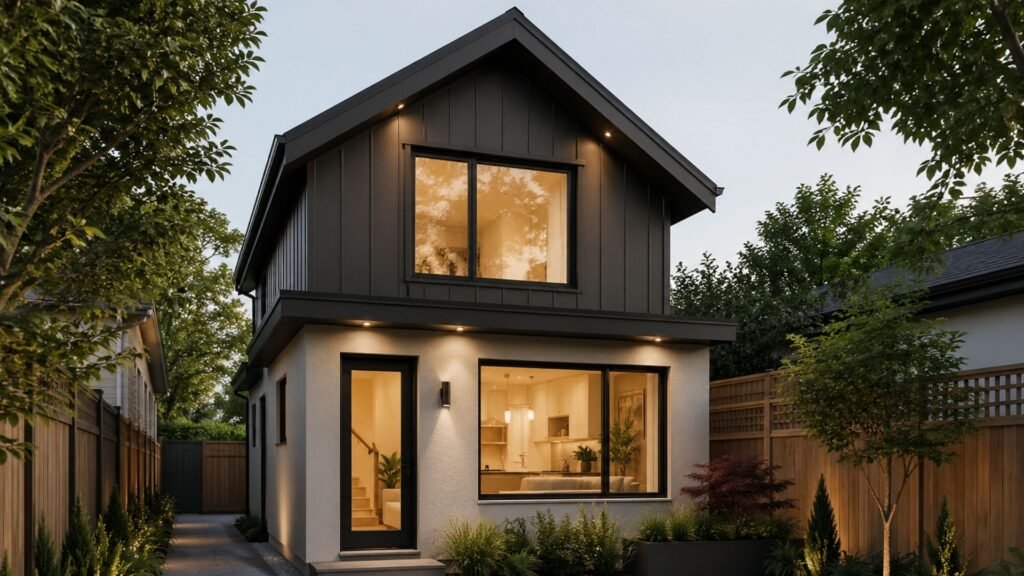
Laneway homes are becoming one of the most practical solutions for modern urban living in Calgary. As cities grow and land becomes more valuable, homeowners are looking for smarter ways to use their property without sacrificing comfort. This is where thoughtful design and efficient planning make a big difference. A professional Laneway house builder Calgary homeowners trust focuses on creating compact homes that feel open, functional, and comfortable at the same time.
This article explains how smart space planning works in laneway housing, why it matters, and the techniques experts use to make small spaces feel surprisingly spacious.
Understanding the Idea of Smart Space Planning
Smart space planning simply means using every square foot of a home in the most efficient way possible. In laneway houses, where space is limited, this becomes even more important. Instead of building bigger homes, designers focus on building better layouts.
The goal is not just to fit rooms into a small structure but to make sure every area has a purpose. Good planning helps avoid wasted corners, awkward layouts, or unused spaces.
A skilled laneway home designer studies how people live day to day and then creates a layout that supports those habits naturally.
Why Space Efficiency Matters in Laneway Homes
Laneway houses are usually built in backyards, which means they have a smaller footprint than traditional homes. Because of this, every inch counts.
Here’s why efficient planning is so important:
- It improves comfort even in a small area
- It reduces clutter and unused space
- It increases property value
- It makes the home feel larger than it actually is
- It improves natural lighting and ventilation
When done right, a compact home can feel just as comfortable as a full-sized house. That is the real skill of a well-planned design.
Open-Concept Layouts for a Spacious Feel
One of the most common techniques used by experts is the open-concept design. Instead of dividing the home into many small rooms, walls are reduced to create a more open flow between living, dining, and kitchen areas.
This design trick helps in multiple ways:
- It improves movement inside the house
- It allows more natural light to spread
- It makes the space feel bigger and brighter
Even in a small laneway home, removing unnecessary walls can completely change how the space feels. It becomes more breathable and less cramped.
Open-concept layouts help improve flow and make small spaces feel larger and brighter. By reducing unnecessary walls, laneway homes feel more open and comfortable for daily living. To see how this approach is applied in real projects, read Laneway House Builder Calgary for Space-Efficient Urban Living, where efficient layout strategies are explained in detail.
Multi-Functional Furniture and Built-In Storage
Storage is one of the biggest challenges in small homes. That’s why modern builders focus heavily on multi-functional furniture and built-in solutions.
For example:
- Beds with storage drawers underneath
- Foldable dining tables
- Wall-mounted desks
- Sofas that turn into beds
Instead of adding bulky cabinets, storage is often built into walls, staircases, and unused corners. This helps keep the home neat without wasting space.
A well-designed laneway home ensures that storage is available where it is needed, without affecting the living area.
Smart Kitchen Design for Compact Living
The kitchen is often the heart of any home, but in laneway houses, it needs to be carefully planned. Designers focus on creating compact yet fully functional kitchens.
Some common ideas include:
- Vertical storage shelves
- Slim appliances
- Corner cabinets for maximum usage
- Hidden storage compartments
Even though the kitchen is smaller, it is designed to be highly efficient. Everything is placed within easy reach to reduce movement and save time.
Vertical Space Utilization
When horizontal space is limited, builders think vertically. This is one of the most powerful techniques in laneway house design.
Instead of spreading things across the floor, designers use:
- Tall cabinets reaching the ceiling
- Loft-style sleeping areas
- Wall-mounted shelves
- Hanging storage units
This method keeps the floor area open, which makes the house feel less crowded. It also improves organization and accessibility.
Natural Light and Window Placement
Lighting plays a huge role in how big or small a home feels. Even a small laneway house can feel open and airy with the right lighting strategy.
Experts carefully plan:
- Large windows in key areas
- Skylights for additional sunlight
- Glass doors to connect indoor and outdoor spaces
Natural light reduces the need for artificial lighting during the day and creates a warm, welcoming atmosphere. It also helps visually expand the space.
Efficient Circulation and Movement Flow
Another important aspect of space planning is how people move inside the house. Poor layout design can make even a big space feel tight.
To avoid this, professionals ensure:
- Clear walking paths
- Minimal obstacles between rooms
- Logical placement of furniture and doors
For example, the kitchen, dining, and living areas are usually placed close together to reduce unnecessary movement. This improves convenience and makes daily life smoother.
Compact Bathrooms with Smart Fixtures
Bathrooms in laneway homes are designed to be small but highly functional. Every fixture is chosen carefully to save space without compromising comfort.
Common features include:
- Wall-mounted sinks and toilets
- Sliding shower doors
- Compact storage shelves
- Corner fittings
These design choices make even a small bathroom feel organized and comfortable.
Flexible Room Design for Changing Needs
Modern living is not static. People often need spaces that can adapt over time. That’s why flexibility is a key part of laneway house design.
A single room might serve multiple purposes:
- A home office during the day
- A guest bedroom at night
- A study or reading space
Instead of fixed layouts, flexible rooms help homeowners get more value from the same space.
Outdoor Integration for Extended Living
Even though laneway homes are compact, outdoor areas are often used to extend living space. Designers create smooth connections between inside and outside.
This can include:
- Small patios
- Garden seating areas
- Sliding glass doors opening to the yard
This connection makes the home feel larger and allows residents to enjoy fresh air and natural surroundings.
Minimalist Design Approach
Minimalism is not just a style choice it is a practical solution for small homes. By reducing unnecessary decoration and clutter, the space feels more open and peaceful.
A minimalist approach focuses on:
- Clean lines
- Simple furniture
- Neutral color palettes
- Functional decor only
This helps avoid visual overcrowding and makes the home easier to maintain.
Energy Efficiency and Smart Layouts
Smart space planning is not only about physical space but also about energy use. Efficient layouts reduce heating and cooling costs by improving airflow and insulation.
Good design ensures:
- Proper ventilation paths
- Strategic window placement
- Energy-efficient room positioning
This makes the home more sustainable and cost-effective in the long run.
Importance of Professional Design Expertise
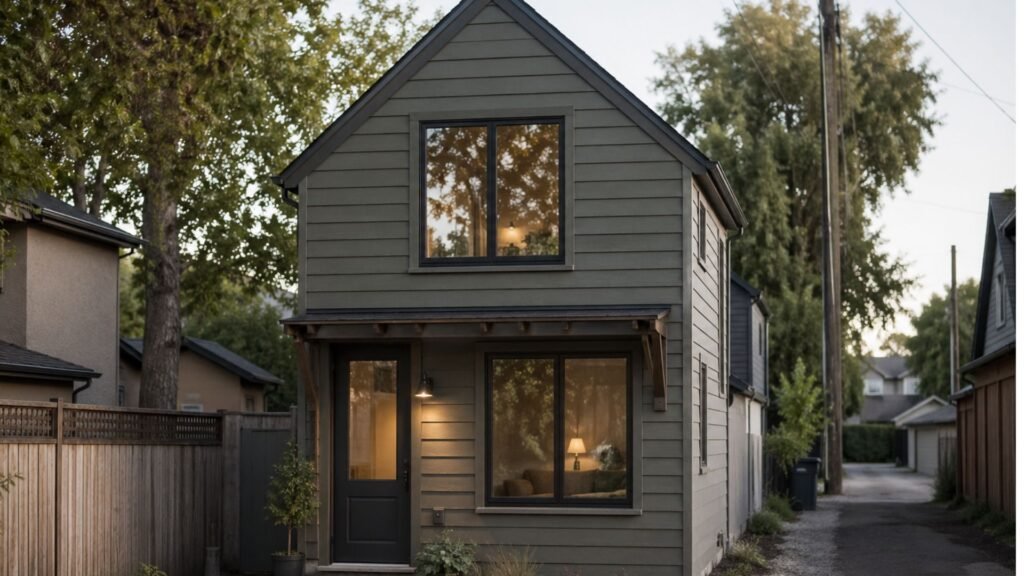
While some homeowners try to design small spaces on their own, professional expertise makes a huge difference. Experienced designers understand zoning rules, structural limitations, and space optimization techniques.
A skilled laneway home specialist focuses on balancing:
- Comfort
- Functionality
- Aesthetic appeal
- Local building regulations
This ensures the final home is not only beautiful but also practical and long-lasting.
Final Thoughts
Smart space planning is the foundation of every successful laneway home. With the right design approach, even a small backyard structure can become a fully functional, comfortable, and stylish living space.
From open layouts and vertical storage to flexible rooms and natural lighting, every detail plays a role in improving the quality of life inside these compact homes. A thoughtful Laneway house builder Calgary residents rely on understands how to transform limited space into something truly efficient and livable.
As urban living continues to evolve, laneway houses will remain a smart solution for homeowners who want more value from their property without expanding outward.
Frequently Asked Questions
How long does it take to design a laneway house in Calgary?
It usually takes a few weeks to a few months, depending on how complex the design is. Approval timelines and customization needs can also affect the overall process.
What is the biggest mistake in small laneway house planning?
One common mistake is ignoring proper storage and adding too many walls. This can make the space feel smaller instead of open and functional.
Can a laneway house be designed for rental use?
Yes, a laneway house can be designed specifically for rental purposes. Features like a private entrance and efficient layout make it more suitable for tenants.
How does smart space planning improve small homes?
Smart planning helps reduce clutter and improves how people move within the space. It makes even a small home feel more comfortable and spacious.