
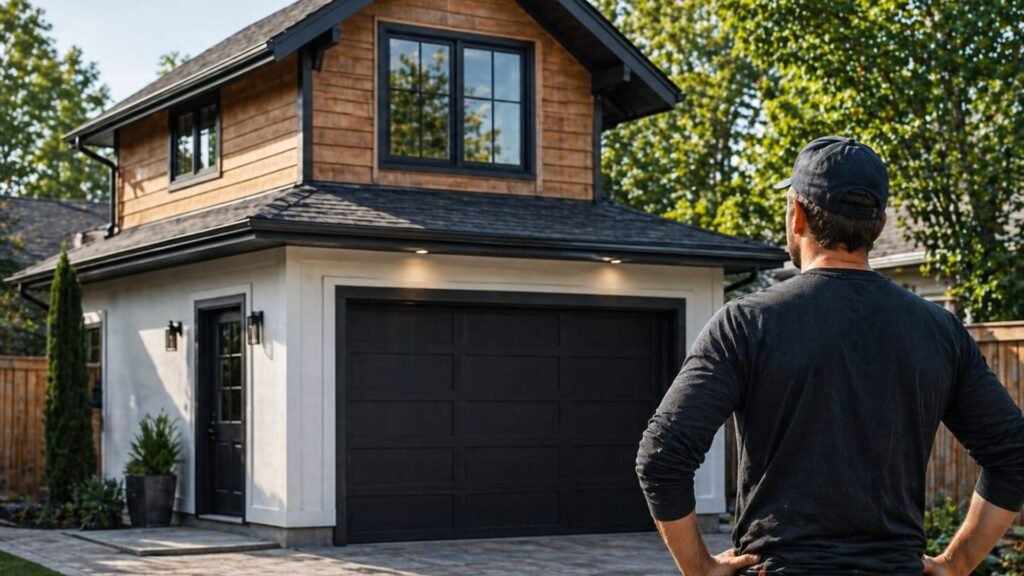
Urban living in Calgary is changing quietly but steadily. Many homeowners now look at their backyard not as empty space, but as an opportunity. Instead of expanding outward, they are building compact homes that sit behind the main house. These are commonly known as laneway homes or backyard suites.
The idea is simple, but the execution is not. Turning a small rear-lot space into a fully functional home requires careful planning, design intelligence, and knowledge of local rules. This is where experienced laneway house builders in Calgary make a real difference.
They don’t just build small houses. They reshape how space is used in a city environment.
A Laneway Home Is Not “Small Housing” — It’s Smart Housing
At first glance, a laneway home may look like a tiny version of a regular house. But that assumption misses the point. These units are designed with a completely different mindset.
Instead of asking “how big can this be?”, the focus is:
“how efficiently can this space be used without making life uncomfortable?”
A typical laneway unit includes everything a regular home has:
- A living space that feels open, not cramped
- A compact but functional kitchen
- A private bedroom area
- A full bathroom
- Independent entry and utilities
The challenge is fitting all this into a limited footprint without making the space feel tight or restrictive.
Why Calgary Homeowners Are Paying Attention to This Housing Style
There is a clear shift happening in how people think about property value in Calgary.
1. The Backyard Is Now an Asset
Earlier, backyards were mostly for gardening or storage. Now, many homeowners see them as a second income source or living space.
2. Housing Costs Keep Rising
Instead of buying a second property, people are choosing to build on land they already own. It’s a practical financial decision.
3. Flexible Living Needs
Families are changing. Parents want to live closer to children but still maintain privacy. Adult children may need independent space without leaving home entirely.
4. City-Friendly Density
Calgary’s housing development trend supports smarter land usage rather than outward expansion.
What Actually Happens When a Laneway Home Is Built
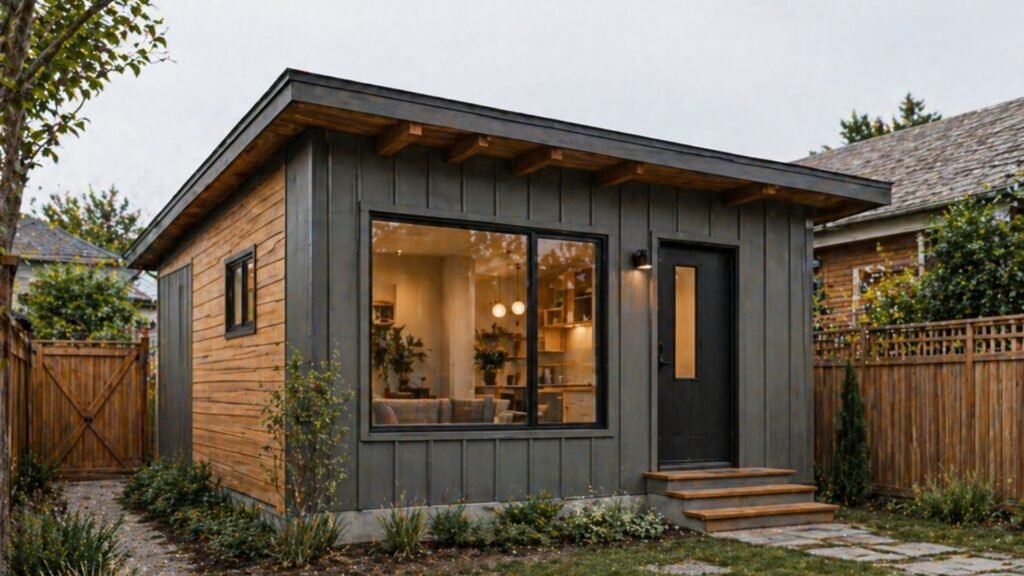
Most people assume construction starts with walls and concrete. In reality, the process begins much earlier with problem-solving.
Professionals who specialize in small-lot housing first study three things:
- How the land is shaped
- How sunlight enters the property
- How people will move in and out of the space
Only after this do they start designing.
How Space Efficiency Is Actually Achieved
Many blogs talk about “smart design,” but what does that really mean in real construction?
Smart planning is what makes small spaces feel comfortable and usable. To understand this better, read Smart Space Planning by Laneway House Builder Calgary Expert.
Let’s break it down in practical terms.
1. Removing Unnecessary Walls
Instead of dividing the house into many small rooms, designers combine functions.
For example:
- Kitchen + dining + living = one flowing space
This reduces wasted walking space and makes the interior feel larger than it is.
2. Designing for Movement, Not Just Rooms
Good design is not about rooms on paper. It’s about how a person moves.
Builders often plan:
- Clear walking paths
- Furniture placement before construction
- Door and window positions based on usability
This avoids “tight corners” that make small homes uncomfortable.
3. Making Vertical Space Work Harder
When floor area is limited, the walls become valuable real estate.
You’ll often see:
- Tall cabinets reaching the ceiling
- Wall-mounted lighting instead of floor lamps
- Storage above doors and windows
This shifts storage upward instead of outward.
4. Light as a Design Tool
Natural light is not just aesthetic it changes perception.
A small room with good lighting feels bigger than a larger dark room. That’s why builders carefully plan:
- Window direction
- Glass door placement
- Skylight usage when possible
5. Hidden Storage Instead of Visible Clutter
One of the biggest differences between average and well-designed small homes is storage strategy.
Instead of adding bulky cupboards, designers integrate storage into:
- Staircases
- Seating benches
- Wall recesses
- Kitchen panels
The goal is simple: keep surfaces visually clean so the home feels open.
Why Professional Planning Matters More Than Construction Itself
The actual building is only part of the job. The real value comes from planning decisions made before construction starts.
Experienced builders handle:
Zoning and Approval Navigation
Small residential units must follow city rules. Without proper approval, a project can become a legal issue later.
Utility Integration
Water, electricity, drainage all must be planned carefully so they don’t interfere with the main house.
Structural Efficiency
Even a small mistake in layout can make a compact home feel uncomfortable permanently.
Common Problems in Small Backyard Homes
Problem: Feeling of confinement
Solution: Open layouts + larger windows
Problem: Lack of storage
Solution: Built-in and vertical storage systems
Problem: Privacy between main house and laneway unit
Solution: Strategic fencing and window direction planning
Problem: Limited natural light
Solution: Glass doors and optimized building orientation
The Real Benefit Most People Don’t Notice Immediately
Most discussions focus on rent or extra space. But there’s a deeper advantage:
A well-designed laneway home actually changes how a property is used long-term.
It creates:
- Future housing flexibility
- Multi-generational living options
- Passive income potential
- Increased resale value
But more importantly, it makes a single property adaptable instead of fixed.
Where This Housing Trend Is Heading
Instead of large expansions, cities like Calgary are slowly moving toward layered housing multiple living units on the same land.
Future improvements are likely to include:
- Energy-efficient compact homes
- Modular construction methods
- Smarter space automation
- More relaxed secondary housing policies
Laneway homes are becoming part of a larger shift in how cities think about residential space.
Final Thought
A laneway home is not just a construction project. It is a design challenge that sits at the intersection of architecture, urban planning, and everyday living needs.
When done properly by skilled laneway house builders in Calgary, even a small backyard can be transformed into a fully functional and comfortable living space.
The real success is not in making a small house but in making a small house feel naturally livable without forcing compromise.
Frequently Asked Questions
What is a laneway house in Calgary?
A laneway house in Calgary is a small secondary home built in the backyard or rear lane of a property. It includes basic living areas like a kitchen, bathroom, bedroom, and living space, designed for independent living while using existing land efficiently.
How do laneway house builders maximize space?
They maximize space by using open layouts, vertical storage, multi-purpose furniture, and smart lighting design. Every part of the home is planned carefully so the small area feels open, functional, and comfortable.
Do I need approval to build a laneway home in Calgary?
Yes, city approval and building permits are required before construction. Zoning rules and safety codes must be followed, and professional builders usually manage this approval process for homeowners.
What are the benefits of a laneway house?
A laneway house provides extra rental income, increases property value, and offers flexible living for family members. It is also a cost-effective way to add housing without buying additional land.