
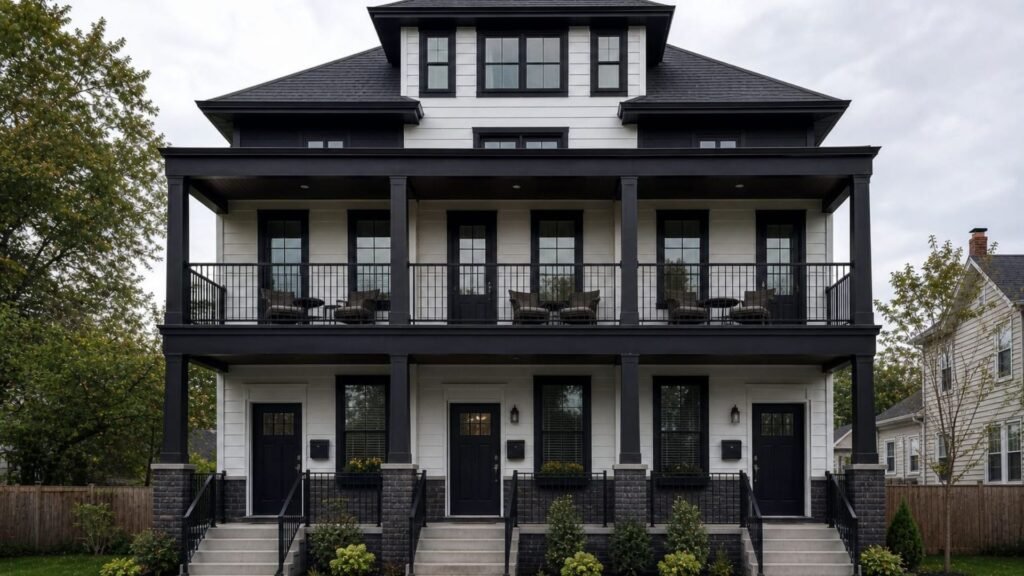
Multifamily construction in Calgary is growing fast as the city expands and housing demand increases. These projects include duplexes, townhomes, row housing, and apartment-style buildings.
While the opportunity is strong, many developers face costly problems during planning and construction. The reason is simple multifamily projects are more complex than single homes and require careful coordination.
Working with an experienced multifamily builder in Calgary can reduce risks, but understanding common mistakes yourself is just as important.
This guide explains the most frequent errors in multi-unit development and how to avoid them in simple, practical language.
1. Starting Construction Without a Full Development Plan
1. Starting Construction Without a Full Development Plan
One of the biggest mistakes in multifamily housing projects is starting too early without a complete roadmap. Many developers get excited after buying land and rush into design or construction.
But multifamily projects need a full development strategy, including:
- Site analysis
- Zoning approval
- Unit mix planning
- Parking design
- Budget forecasting
- Construction timeline
Without this, projects often face redesigns or permit delays later.
A professional residential development contractor in Calgary usually spends weeks or months in planning before breaking ground.
How to avoid it:
Always complete feasibility studies and design planning before construction begins. Treat planning as the foundation of your project, not an optional step.
2. Misunderstanding Calgary Zoning Rules
Calgary has detailed zoning regulations that control how land can be used. These rules affect building height, density, parking, and unit types.
A common mistake developers make is assuming land automatically allows multifamily housing. This is not always true.
If zoning is not verified early, projects can get delayed or completely rejected.
A skilled multifamily builder Calgary team understands these zoning layers and works with city requirements from the beginning.
How to avoid it:
Before purchasing land, confirm zoning approval and future redevelopment potential with professionals or city planning departments.
3. Underestimating True Construction Costs
Many multifamily projects go over budget because developers only calculate basic construction costs. They forget “hidden” expenses.
These often include:
- Utility upgrades
- Site servicing
- Soil testing and excavation
- Permit fees
- Inflation in material costs
- Labour changes
Even a small miscalculation can scale up significantly in multi-unit projects.
How to avoid it:
Build a realistic budget with a contingency buffer of 10–20%. Always ask for a full cost breakdown from your builder before committing.
4. Poor Site Selection for Multi-Unit Housing
Location is critical in real estate, especially for multifamily developments. A cheap piece of land may look attractive but might not support strong rental demand.
Common mistakes include:
- Choosing areas with low rental demand
- Ignoring transit access
- Overlooking school or employment proximity
- Buying land with poor infrastructure access
In Calgary, demand varies widely between neighborhoods, so location analysis is essential.
How to avoid it:
Evaluate long-term growth, nearby amenities, and rental demand before buying land. A good multifamily builder Calgary will often help assess site potential.
5. Designing Units That Don’t Match Market Needs
A frequent mistake is designing buildings based on personal preference instead of market demand.
For example:
- Too many large units in a rental-heavy area
- Poor storage space in family-focused housing
- Inefficient layouts that reduce livability
- Lack of privacy between units
Good design is not just about appearance it directly impacts rental income and occupancy rates.
How to avoid it:
Study your target tenants. Students, families, and professionals all need different layouts and features.
6. Choosing Builders Without Multifamily Experience
Not all builders are equipped for multi-unit projects. Some may be excellent at single homes but struggle with complex developments.
Multifamily construction involves:
- Structural load planning
- Fire separation systems
- Shared utility design
- Coordinated scheduling across units
Hiring inexperienced contractors often leads to delays and expensive rework.
How to avoid it:
Always review a builder’s past multifamily projects. Look for proven experience in townhomes, apartments, or duplex developments.
7. Weak Project Coordination Between Teams
Multifamily projects involve multiple teams working at the same time architects, engineers, electricians, plumbers, and construction crews.
If coordination is poor, problems appear quickly:
- Conflicting drawings
- Missed updates
- Material waste
- Scheduling delays
This is one of the most common hidden causes of budget overruns.
How to avoid it:
Use centralized project management systems and ensure regular coordination meetings between all teams.
8. Ignoring Fire Safety and Building Code Details
In multifamily housing, fire safety is a major regulatory requirement. Many developers underestimate how strict these rules are in Calgary.
Common issues include:
- Incorrect fire-rated wall installation
- Missing emergency exits
- Poor stairwell design
- Inadequate ventilation systems
These mistakes can stop inspections and delay occupancy approvals.
How to avoid it:
Work with engineers and certified professionals who specialize in multi-unit residential codes.
9. Overlooking Long-Term Maintenance Costs
A major mistake is focusing only on construction savings without thinking about future maintenance.
Cheap materials may reduce upfront costs but lead to:
- Frequent repairs
- Higher operating expenses
- Tenant dissatisfaction
- Shorter building lifespan
Multifamily properties must be designed for durability, not just initial affordability.
How to avoid it:
Invest in strong building materials, energy-efficient systems, and low-maintenance finishes.
10. Poor Financial Planning and Cash Flow Management
Large residential developments require ongoing financial planning. Many projects fail not because of construction issues, but because of cash flow problems.
Delays in funding or unexpected costs can slow the entire project.
How to avoid it:
Work with financial advisors or experienced developers to structure payments, loans, and funding properly.
Why These Mistakes Matter in Calgary
Calgary’s real estate market is competitive and fast-changing. Multifamily projects are a strong investment opportunity, but only when managed correctly.
Small mistakes at the planning stage can turn into large financial losses later. That’s why working with an experienced multifamily builder in Calgary is not just helpful, it is essential for reducing risk.
To understand how properly managed developments are executed at scale, see how large multifamily projects are built in Calgary.
That’s why working with an experienced multifamily builder in Calgary is not just helpful, it is essential for reducing risk.
Final Thoughts
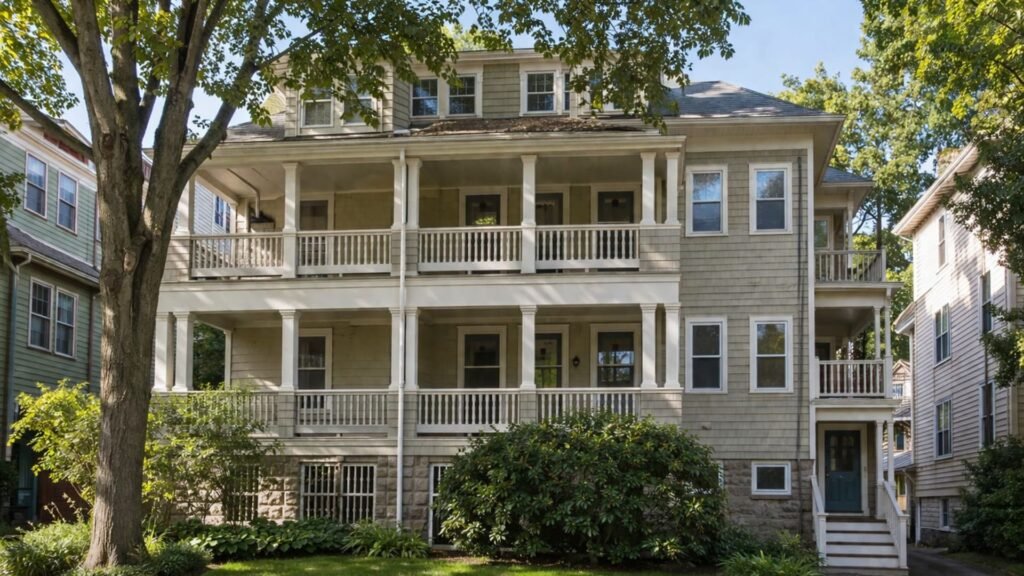
Multifamily construction is one of the most promising real estate opportunities in Calgary today. But it also comes with complexity that many new developers underestimate.
Most problems whether budget overruns, design issues, or delays can be avoided with proper planning, strong coordination, and the right professional guidance.
If you focus on zoning, budgeting, design quality, and experienced construction teams, your project will have a much higher chance of success.
A well-planned multi-unit development is not just a building, it is a long-term investment that can generate stable income and strong property value for years to come.
Frequently Asked Questions
What are the most common mistakes in multifamily construction projects?
The most common mistakes include poor planning before construction, ignoring Calgary zoning regulations, underestimating project costs, choosing the wrong location, and hiring inexperienced contractors. These issues can lead to delays, budget overruns, and reduced project quality if not properly managed.
Why is location important for multifamily housing projects in Calgary?
Location plays a major role in the success of multifamily housing because it affects rental demand, property value, and long-term returns. Areas close to schools, public transport, and employment hubs in Calgary usually perform better and attract more stable tenants, making the investment more profitable.
How can I avoid budget overruns in a multifamily development?
To avoid budget overruns, it is important to create a detailed cost plan that includes permits, materials, labor, utility connections, and a contingency fund of at least 10–20%. Working with an experienced multifamily construction professional also helps in getting accurate cost estimates and avoiding hidden expenses.
Do multifamily projects require special permits in Calgary?
Yes, multifamily developments require multiple permits including development permits, building permits, electrical permits, and plumbing permits. These approvals ensure the project follows Calgary’s zoning laws, safety codes, and construction standards before and during the build.