
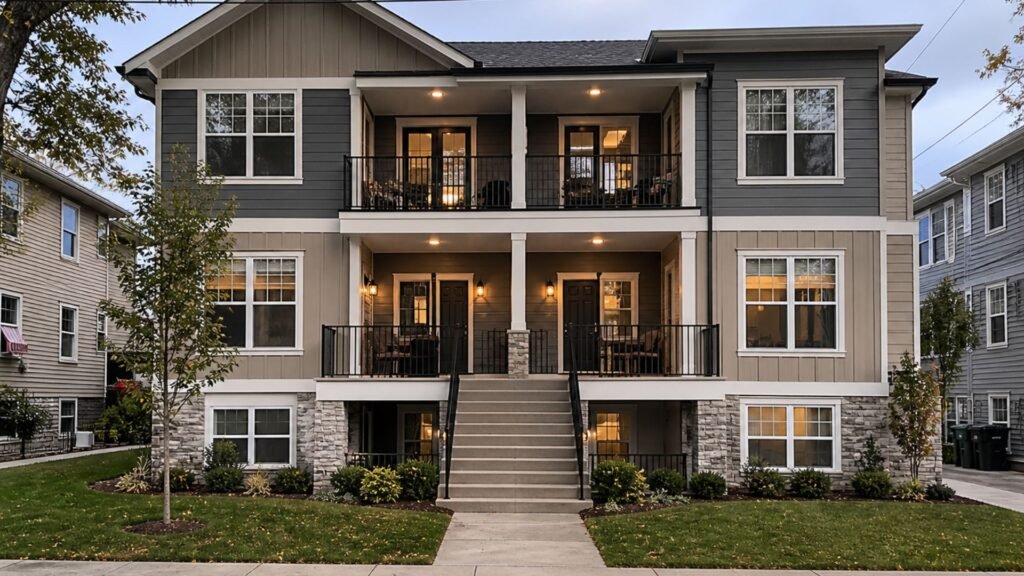
Calgary is growing quickly, and with that growth comes a rising demand for modern housing. More people are moving into the city for work, education, and better living opportunities. This creates a need for well-planned residential communities that can accommodate many families at once.
To meet this demand, large residential developments such as apartments, condominiums, and townhome communities are being built across the city. These projects are handled by experienced residential developers and large-scale housing specialists who focus on efficiency, planning, and long-term value.
One of the key players in this space is a multifamily builder in Calgary, who plays a major role in shaping urban living by delivering structured, high-density housing projects that support the city’s growth.
Understanding Multi-Unit Residential Development
Before understanding how these projects are delivered, it’s important to know what multifamily housing means. It refers to residential buildings designed to accommodate multiple households within one structure or community.
Common examples include:
- Apartment complexes
- Condominium buildings
- Duplexes and triplexes
- Townhouse communities
Unlike single-family homes, these developments are designed for efficiency, shared infrastructure, and optimized land use. This helps cities like Calgary manage population growth without expanding endlessly outward.
Urban housing developers focus on creating spaces that are not only functional but also comfortable and community-oriented.
Smart Planning at the Foundation Stage
Every successful housing project begins with detailed planning. This stage determines how smooth the entire construction process will be.
Residential development teams first analyze:
- Land location and zoning rules
- Population demand in the area
- Transportation and accessibility
- Environmental impact
- Community requirements
This early planning ensures that the project aligns with city regulations and future growth needs.
Urban planners and architects work together to design layouts that maximize usable space while still allowing for parks, roads, and shared amenities. Proper planning reduces delays, avoids costly mistakes, and ensures long-term project success.
Efficient Design That Maximizes Space
Design is one of the most important parts of large residential construction. Modern housing projects are created with both functionality and comfort in mind.
Architects focus on:
- Maximizing indoor living space
- Ensuring natural light and ventilation
- Creating energy-efficient layouts
- Designing shared amenities like gyms and lounges
- Improving accessibility for all residents
In many cases, compact design strategies are used to make the best use of available land without compromising quality of life.
Sustainable architecture is also becoming a priority, with eco-friendly materials and smart energy systems being integrated into new developments.
Strong Project Coordination and Management
Large-scale housing developments involve hundreds of moving parts. Without proper coordination, projects can easily face delays or budget issues.
Project management teams are responsible for:
- Scheduling construction phases
- Coordinating contractors and labor teams
- Managing budgets and material supply
- Ensuring compliance with safety regulations
- Tracking progress in real time
Each phase of construction must be carefully timed. For example, foundation work must be completed before structural framing begins, and electrical systems must be installed before interior finishing.
This level of coordination ensures that everything runs smoothly from start to finish.
Role of Advanced Construction Technology
Technology has significantly improved how residential communities are built today.
Modern builders use tools such as:
- Building Information Modeling (BIM) software
- 3D architectural visualization
- Drone-based site monitoring
- Automated construction machinery
- Digital project tracking systems
These technologies allow teams to visualize the entire project before construction begins. This helps identify design issues early and reduces costly errors during building.
It also improves communication between engineers, architects, and contractors, making the entire process more efficient and transparent.
Skilled Workforce and Team Collaboration
A large residential project requires a diverse team of professionals working together, including:
- Civil engineers
- Architects
- Electrical and plumbing specialists
- Construction workers
- Safety inspectors
- Project managers
Each group has a specific role, but they must coordinate closely. For example, plumbing systems must be installed before walls are sealed, and electrical wiring must be completed before interior finishing begins.
This collaboration ensures that every part of the building is constructed correctly and safely.
Safety Standards and Quality Control
Safety is a top priority in all large housing projects. Strict guidelines are followed to protect both workers and future residents.
Safety measures include:
- Regular site inspections
- Mandatory safety training
- Use of protective equipment
- Compliance with building codes
- Emergency response planning
Alongside safety, quality control is equally important. Every material used is tested for durability, and construction work is inspected at every stage.
This ensures that the final buildings are strong, reliable, and built to last for decades.
Sustainable and Eco-Friendly Construction Practices
Modern housing development is shifting toward sustainability. Builders are increasingly focused on reducing environmental impact while improving efficiency.
Common eco-friendly practices include:
- Energy-efficient lighting and appliances
- Water conservation systems
- Use of recycled construction materials
- Green roofs and open green spaces
- Better insulation for reduced energy consumption
These practices not only help the environment but also reduce long-term living costs for residents.
Sustainable development is becoming a standard expectation in modern urban planning.
Cost Efficiency and Resource Optimization
Large residential projects require careful financial planning. Developers aim to complete projects within budget while maintaining high quality.
Cost efficiency is achieved through:
- Bulk purchasing of materials
- Minimizing construction waste
- Efficient labor scheduling
- Advanced planning and forecasting
- Reducing rework through digital modeling
When resources are used wisely, housing becomes more affordable for buyers and renters. This also helps developers complete projects faster and more efficiently.
Building Complete Living Communities
Modern residential projects are no longer just about buildings. They are about creating complete living environments.
These communities often include:
- Parks and recreational areas
- Walking and cycling paths
- Retail and convenience spaces
- Parking facilities
- Schools and childcare access nearby
The goal is to create neighborhoods where residents can live comfortably without needing to travel far for daily needs.
This approach improves quality of life and strengthens community connections.
These communities often include parks, recreational areas, retail spaces, and essential services that improve daily living. Learn more about rental-focused developments here: How a Multifamily Builder Calgary Stands Out in Rentals.
Challenges in Large-Scale Housing Projects
Despite careful planning, large construction projects often face challenges such as:
- Weather delays
- Material shortages
- Labor availability issues
- Changing government regulations
- Unexpected site conditions
Experienced residential developers overcome these challenges through flexibility and proactive planning. They adjust schedules, source alternative materials when needed, and maintain clear communication across all teams.
Problem-solving is a key part of successful project delivery.
Why Efficiency Matters in Urban Housing Development
Efficiency is critical in modern construction because it directly affects:
- Project timelines
- Total development costs
- Quality of construction
- Availability of housing units
- Resident satisfaction
When housing projects are completed efficiently, more people can move into homes faster, helping reduce housing shortages in growing cities like Calgary.
Future of Residential Construction in Calgary
The future of housing in Calgary is moving toward smarter, greener, and more connected communities.
Upcoming trends include:
- Smart home technology integration
- More energy-efficient buildings
- Increased use of modular construction
- Higher-density urban planning
- Improved public transportation integration
As the city continues to grow, demand for well-planned residential communities will increase, making efficient construction methods even more important.
A multifamily builder in Calgary will continue to play a key role in shaping this future by delivering sustainable and well-designed housing solutions.
Conclusion
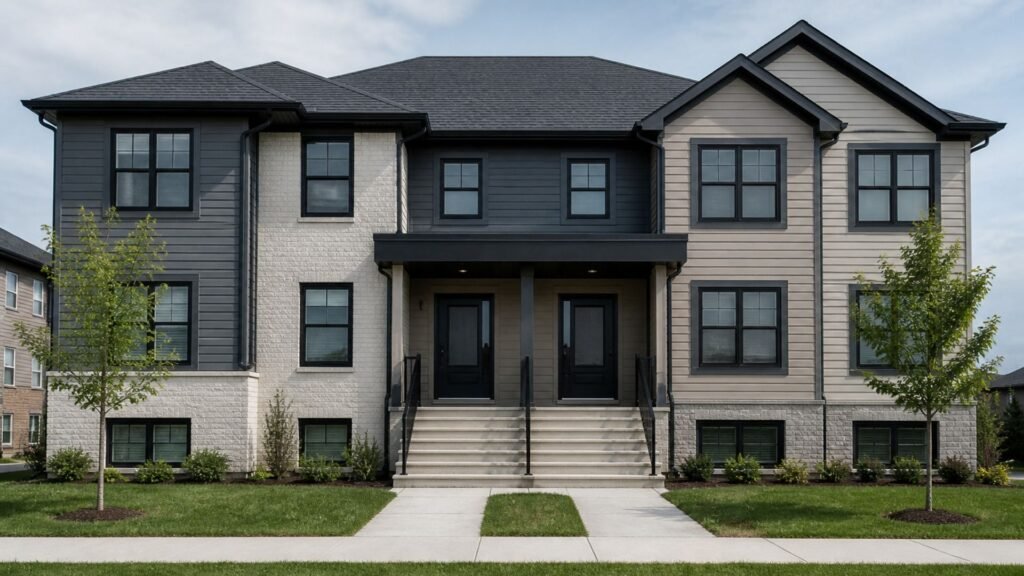
Efficient large-scale housing development is a complex process that requires careful planning, strong coordination, modern technology, and skilled professionals. From design to delivery, every step must be managed with precision to ensure success.
Calgary’s growing population has created a strong need for well-structured residential communities that offer comfort, convenience, and sustainability. Through smart design, advanced construction methods, and efficient project management, modern developers are meeting this demand effectively.
The result is not just buildings, but complete communities that support modern urban living and future growth.
Frequently Asked Questions
What does a multifamily housing project mean?
A multifamily housing project is a residential development where multiple families live in separate units within the same building or community. It includes apartments, condominiums, and townhouses designed to efficiently use urban land and support growing population needs.
How are large residential projects planned and built in Calgary?
Large housing projects in Calgary are planned through detailed site analysis, design development, and city approvals. After planning, construction is carried out in phases such as foundation work, structural building, utilities installation, and interior finishing, all managed by coordinated teams.
Why is efficiency important in large-scale housing construction?
Efficiency is important because it helps complete projects on time, control construction costs, and maintain quality standards. It also ensures better coordination between materials, labor, and scheduling, which is essential for delivering homes faster in growing cities.
What makes modern residential communities more sustainable?
Modern residential communities are made sustainable through energy-efficient designs, eco-friendly building materials, water-saving systems, and green spaces. These practices reduce environmental impact and improve long-term living conditions for residents.