
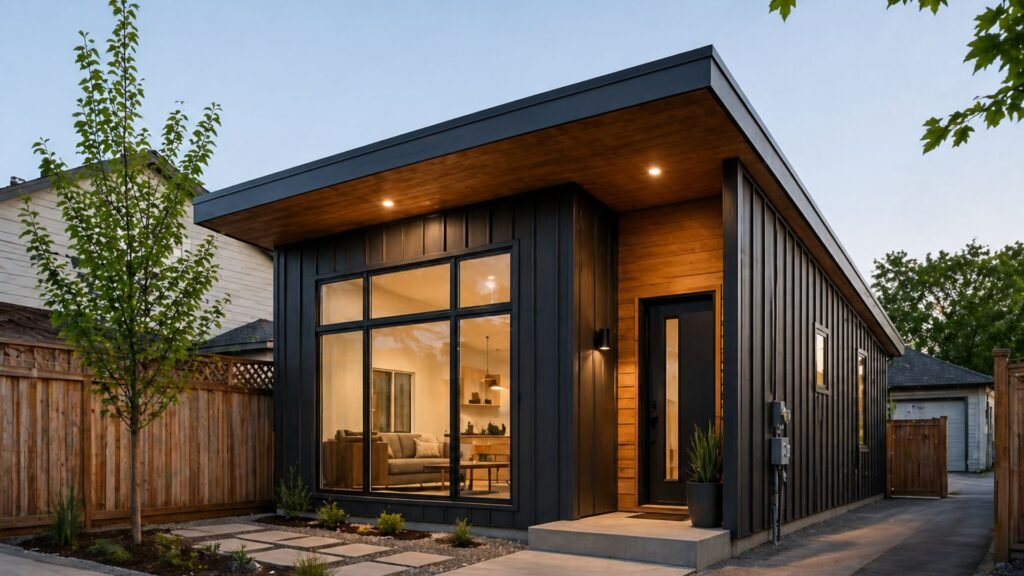
Building a laneway home is an exciting way to create extra space, add value to your property, or even earn rental income. But behind the design and construction, an important process runs that many people don’t fully understand utility setup and infrastructure.
A professional laneway house builder Calgary focuses on making sure your home has everything it needs to function properly. This includes water, electricity, gas, drainage, heating, and more. In this guide, we explain the entire process in a simple and easy-to-understand way.
What Is a Laneway House?
A laneway house is a small home built at the back of a property, usually facing an alley or lane. It works like a separate living space but sits on the same lot as the main house.
In Calgary, laneway homes are becoming popular because they:
- Provide additional living space
- Offer rental income opportunities
- Increase overall property value
However, building one involves more than just construction. Proper infrastructure planning plays a key role in keeping the home safe and livable.
Why Utility Setup Matters
Utilities make a house comfortable and usable. Without proper systems in place, even the most beautiful home cannot function properly.
A backyard home builder ensures that:
- All systems stay safe and reliable
- The home meets local building codes
- They use energy and water efficiently
- Future maintenance issues stay minimal
This is why utility planning remains one of the most important steps in the entire project.
Site Assessment and Planning
Before construction begins, the builder carefully studies your property. This step helps determine how utilities will connect.
They look at:
- The distance between the main house and the laneway home
- Existing utility lines
- Soil condition and ground level
- Access to the alley
Based on this information, they create a plan to connect all essential services.
Smart space planning is another important part of designing efficient laneway homes. Learn more here: “Smart Space Planning by Laneway House Builder Calgary Expert”
Water Supply Connection
Water is one of the first utilities that needs planning.
The builder usually connects the laneway home to the main water line of the primary house. In some cases, they install a separate connection.
Key things they consider:
- Maintaining strong water pressure
- Protecting pipes from freezing in Calgary’s cold climate
- Installing insulation and safety systems
Proper water setup ensures the home gets a steady and safe water supply throughout the year.
Sewer and Drainage System
Once water enters the home, it must leave safely.
The builder connects the laneway home to the existing sewer system. They install pipes at the correct angle so wastewater flows smoothly.
Sometimes challenges arise, such as:
- Long distance from the sewer line
- Lower elevation of the laneway house
In such cases, special pump systems help move wastewater efficiently.
A well-designed drainage system prevents leaks, blockages, and health risks.
Electrical System Installation
Electricity powers lighting, appliances, and daily activities.
The builder either extends power from the main house or installs a separate meter. This depends on how the homeowner plans to use the space.
Important steps include:
- Installing safe wiring inside walls
- Setting up circuit breakers
- Ensuring enough power capacity
For rental units, homeowners often prefer separate metering so tenants can manage their own electricity usage.
Gas Line Setup
If the laneway home uses gas for heating or cooking, the builder arranges a safe connection to the main gas supply.
This process includes:
- Installing gas lines through licensed professionals
- Testing for leaks and pressure issues
- Following strict safety regulations
Gas installation requires careful handling to ensure safety.
Heating and Cooling Systems
Calgary experiences cold winters, so proper heating plays an important role.
Builders usually recommend:
- Using independent heating systems like furnaces or heat pumps
- Choosing energy-efficient options to reduce costs
- Adding proper insulation to keep the home warm
Cooling systems may also be included to maintain comfort during warmer months.
Internet and Communication Setup
Modern homes need reliable internet connections.
The builder ensures that:
- They extend internet lines from the main house or install them separately
- Signal strength stays strong throughout the space
This setup works especially well if the laneway home serves as a rental or home office.
Permits and Regulations
Building a laneway home involves following local rules and regulations.
A professional laneway house builder Calgary handles:
- Building permits
- Utility approvals
- City inspections
This keeps the project legal and ensures all systems meet safety standards.
Coordination with Utility Providers
The builder works closely with utility companies to complete the setup.
This includes:
- Scheduling connections
- Managing inspections
- Completing all paperwork
Good coordination avoids delays and keeps the project on track.
Testing and Final Inspection
Before the home becomes ready, the builder tests all systems.
Builders check:
- Water flow and leaks
- Electrical systems
- Gas safety
- Drainage performance
Only after everything passes inspection does the home become ready for use.
Common Challenges and Solutions
Even well-planned projects can face challenges. Experienced builders know how to handle them.
Some common issues include:
Limited space:
Builders use compact and efficient systems
Backyard access is another common challenge during laneway home construction. You can learn more about how builders solve this in “Laneway House Builder Calgary Solves Backyard Access”.
Distance from utilities:
They install booster systems or create independent connections
Cold weather:
They insulate pipes and systems to prevent freezing
Budget limits:
They use cost-effective solutions without compromising safety
Benefits of Hiring an Experienced Builder
Working with a skilled professional offers many advantages.
- Proper planning from the start
- Faster project completion
- Safe and code-compliant systems
- Reduced risk of costly mistakes
A laneway house builder Calgary brings expertise that ensures everything gets done correctly.
Tips for Homeowners
If you’re planning to build a laneway home, keep these simple tips in mind:
- Plan utilities early in the design stage
- Ask questions to understand the process
- Choose energy-efficient systems
- Hire licensed professionals
These steps help you avoid problems and make better decisions.
The Future of Laneway Homes in Calgary
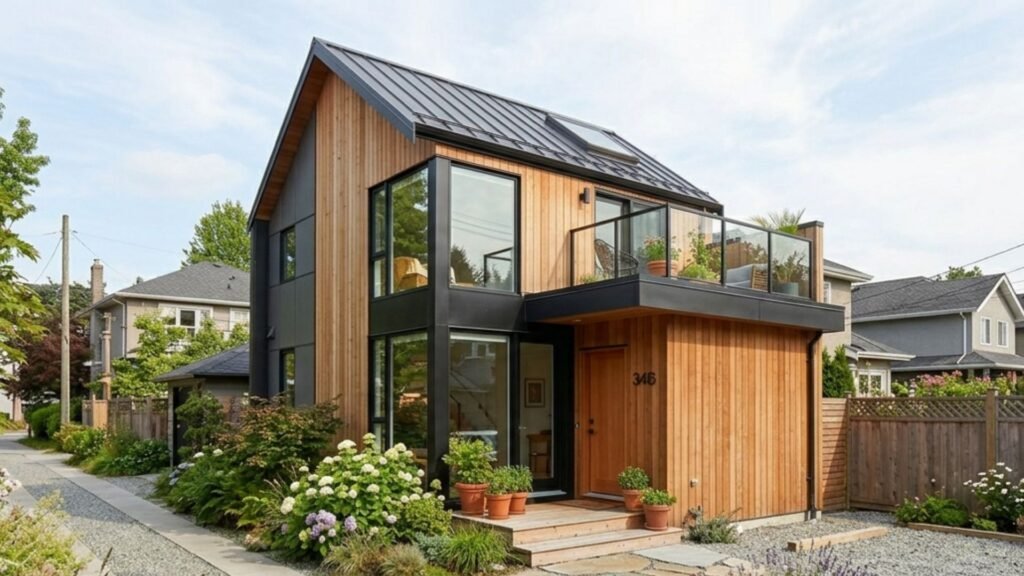
Laneway homes are becoming more popular as cities grow and space becomes limited.
Future trends include:
- Eco-friendly building materials
- Smart home technology
- Renewable energy systems
Builders are already adapting to these changes, making laneway homes more efficient and sustainable.
Conclusion
Utility setup and infrastructure form the backbone of any laneway home. From water and sewer systems to electricity and heating, every detail needs careful planning and installation.
A professional laneway house builder Calgary manages the entire process from planning and permits to final inspection. Their expertise keeps your home safe, functional, and built to last.
By understanding how this process works, you can feel more confident and prepared when starting your project. A well-built laneway home is not just an extra space it’s a smart investment for the future.
Frequently Asked Questions
How does a laneway house builder Calgary connect utilities to a new home?
A laneway house builder Calgary connects utilities by extending water, sewer, and electrical lines from the main property or installing separate connections if required. They ensure all systems meet local codes and function safely for daily use.
Do laneway homes in Calgary need separate utility meters?
Laneway homes can have shared or separate utility meters depending on the homeowner’s preference and usage. Separate meters are often chosen for rental units to simplify billing and usage tracking.
What are the biggest challenges in utility setup for laneway homes?
Common challenges include distance from existing lines, harsh weather conditions, and limited space for installations. Builders overcome these by using efficient designs, proper insulation, and advanced systems.
How long does it take to set up utilities for a laneway house?
Utility setup usually takes a few weeks and depends on permits, inspections, and coordination with utility providers. The timeline may vary based on property size and complexity of the project.