
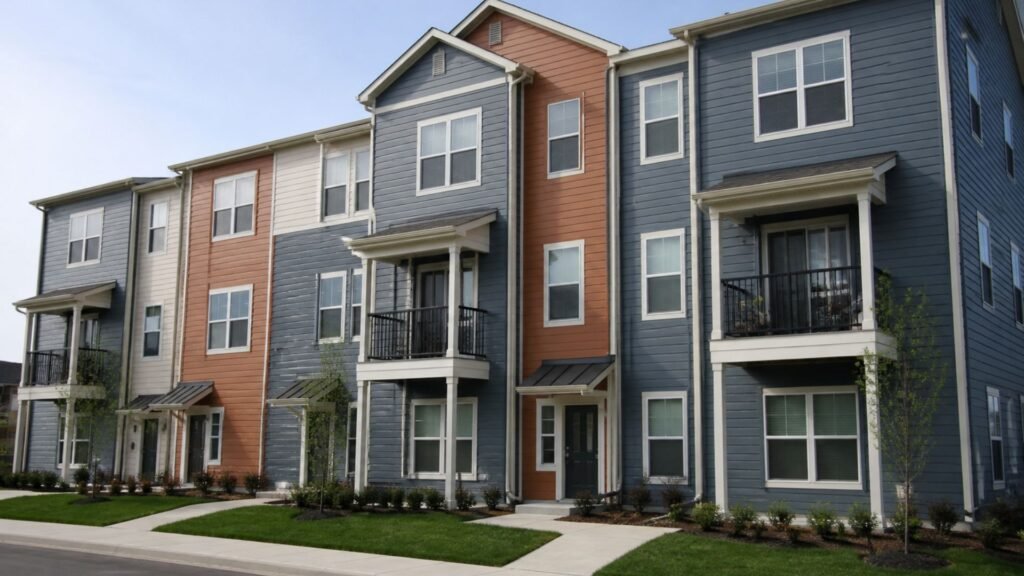
Large residential projects are not just about putting up buildings. They are long-term investment decisions that involve land planning, financial forecasting, regulatory approvals, and careful execution. In a fast-growing city like Calgary, real estate investors are increasingly focusing on multi-unit housing developments because they offer steady rental income and strong long-term value.
In Calgary’s competitive housing market, investors often look for experienced developers who understand large-scale residential execution. What It Takes to Be a Successful Multifamily Builder in Calgary provides deeper insight into what drives long-term success in this field.
However, turning a vacant land parcel into a successful residential community is complex. It requires coordination between designers, engineers, contractors, and city authorities. This is why investors prefer working with experienced professionals who specialize in large-scale residential construction and development.
Instead of managing everything separately, they rely on integrated teams that understand how to deliver multi-unit housing projects efficiently from start to finish.
Growing Demand for Multi-Unit Housing in Calgary
The housing market in Calgary has been changing rapidly over the past few years. Population growth, migration from other provinces, and rising property prices have increased the demand for rental housing.
As a result, more investors are shifting away from single homes and focusing on apartment buildings, townhome clusters, and mixed-residential communities.
This shift is driven by several real-world factors:
- Increasing demand for rental properties in urban areas
- Limited availability of affordable single-family homes
- Higher returns from multiple rental units on one property
- Efficient use of land in city zones
Because of these trends, large residential developments have become one of the most stable investment options in Canada’s real estate market.
The Role of a Specialized Residential Construction Partner
Developing multi-unit housing requires more than basic construction knowledge. It involves strategic planning, architectural design, financial management, and compliance with local building codes.
A professional residential development team handles the entire process, including:
- Site analysis and feasibility studies
- Concept planning and architectural design
- Budget estimation and cost control
- Construction scheduling and supervision
- Coordination with city approvals and inspections
This type of end-to-end support helps investors avoid the complexity of dealing with multiple independent contractors.
Instead of managing fragmented tasks, everything is handled under one structured system, ensuring smoother execution and fewer delays.
Why Investors Prefer Multi-Unit Residential Projects
Real estate investors are always looking for stable and scalable income sources. Multi-unit housing provides exactly that.
Unlike single-property investments, multi-unit developments generate income from several tenants at once. This reduces dependency on a single rental source and increases financial stability.
Key advantages include:
- Multiple income streams from one property
- Lower vacancy risk compared to standalone homes
- Strong long-term appreciation potential
- Better land utilization in urban developments
These benefits make multi-unit residential projects one of the most reliable investment models in modern real estate.
Financial Clarity and Better Investment Control
One of the biggest concerns for investors is financial uncertainty. Large construction projects can easily go over budget if not properly managed.
Experienced development teams help reduce this risk by providing:
- Accurate cost estimation before construction begins
- Transparent budgeting for materials and labor
- Controlled spending throughout each phase
- Financial planning aligned with investment goals
This structured approach allows investors to understand expected returns more clearly and avoid unexpected financial pressure.
When costs are predictable and controlled, investment decisions become much safer and more strategic.
Navigating Local Rules and Construction Approvals
Every city has strict regulations for residential construction, and Calgary is no exception. Multi-unit developments must comply with zoning laws, safety codes, environmental rules, and municipal guidelines.
Handling these requirements without experience can cause delays or even project rejection.
Experienced residential builders are familiar with:
- Land zoning and rezoning applications
- Development permit approvals
- Safety and fire compliance regulations
- Energy efficiency standards
- Final inspection processes
This knowledge helps investors avoid administrative setbacks and keeps the project moving forward without unnecessary interruptions.
Integrated Planning and Construction Approach
Modern residential development works best when design and construction are connected from the beginning.
Instead of separating architects, engineers, and builders into different groups, integrated development teams work together as a single unit.
This approach improves:
- Space efficiency in multi-unit layouts
- Construction speed and coordination
- Budget alignment from design to execution
- Reduction in design errors and revisions
For example, thoughtful planning of unit layouts, parking areas, and shared spaces can significantly improve both livability and profitability.
When everything is coordinated early, projects become more efficient and cost-effective.
Managing Complexity in Large Residential Projects
Multi-unit developments involve many moving parts at the same time. These include structural work, plumbing, electrical systems, landscaping, and interior finishing.
Without strong coordination, these tasks can easily become disorganized.
Experienced construction teams manage complexity by:
- Scheduling different phases of construction properly
- Coordinating subcontractors efficiently
- Ensuring materials are delivered on time
- Maintaining consistent quality across all units
This structured management ensures that large projects remain on track from start to finish.
For investors, this reduces stress and increases confidence in project delivery.
Reducing Risks in Real Estate Development
Large residential projects come with higher risks due to their size, cost, and duration.
Common challenges include:
- Construction delays due to weather conditions
- Rising material costs
- Labor shortages
- Permit or approval delays
Professional development teams reduce these risks through careful planning and proactive management.
They often prepare backup plans, maintain strong supplier relationships, and monitor progress regularly.
This risk control is one of the main reasons investors prefer working with experienced residential builders instead of managing projects independently.
Long-Term Value of Multi-Unit Properties
Beyond rental income, multi-unit residential properties offer strong long-term value growth.
Well-designed developments tend to:
- Attract long-term tenants
- Reduce maintenance costs over time
- Increase property resale value
- Perform well in growing housing markets
In cities like Calgary, where housing demand continues to rise, well-built residential communities often become high-value assets over time.
This makes them attractive not just for short-term income but also for long-term wealth building.
How Investors Choose the Right Development Partner
Choosing the right construction and development team is one of the most important decisions in real estate investment.
Investors typically look for:
Proven Experience
A track record of successful apartment or townhouse projects.
Local Market Knowledge
Understanding of Calgary’s real estate trends and regulations.
Transparent Communication
Clear updates and honest budgeting throughout the project.
Strong Project Management
Ability to handle multiple construction phases smoothly.
Focus on Quality Design
Layouts that improve livability and long-term value.
A reliable development partner does more than build structures; they help shape successful investment outcomes.
Future of Multi-Unit Housing in Calgary
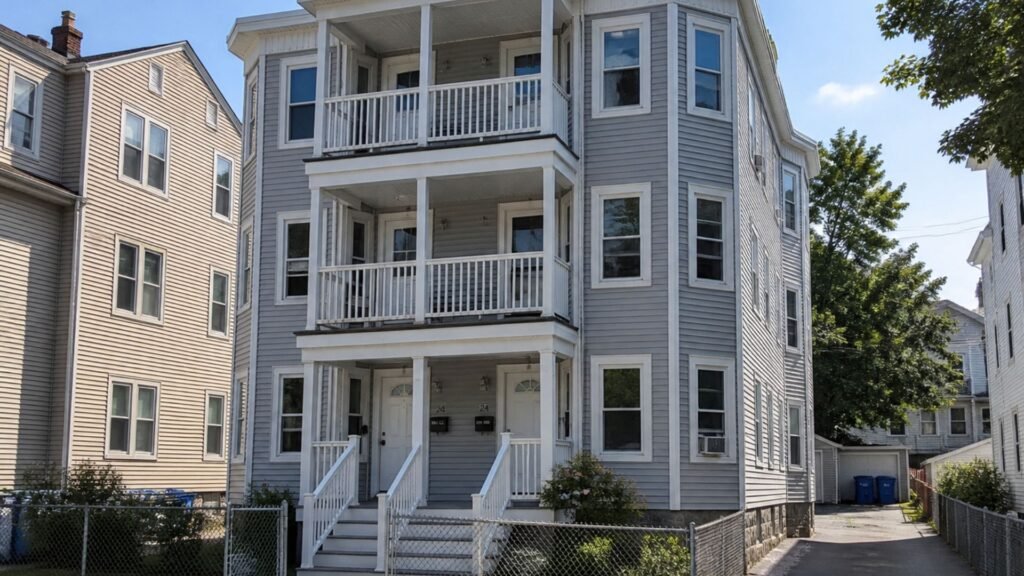
The future of residential development in Calgary is moving toward higher-density, energy-efficient, and community-focused housing.
As the population continues to grow, demand for rental housing is expected to rise further.
Future developments are likely to focus on:
- Sustainable construction materials
- Energy-efficient building systems
- Smart home integration
- Community-centered residential planning
These trends will increase the importance of experienced development teams who can deliver modern, efficient housing solutions.
Conclusion
Real estate investors rely on experienced residential development professionals because large-scale housing projects require much more than construction work. They demand careful planning, financial discipline, regulatory knowledge, and strong execution.
In a growing city like Calgary, multi-unit housing continues to be one of the most reliable investment opportunities. However, success depends heavily on choosing the right development partner who understands both the technical and financial aspects of large residential projects.
With the right expertise, investors can transform land into well-planned, income-generating communities that deliver long-term stability, growth, and value.
Frequently Asked Questions
What factors should be considered before starting a multifamily development in Calgary?
Key factors include zoning regulations, land availability, market demand for rentals, financing options, and alignment with long-term investment goals in Calgary’s real estate market.
How long does a multifamily construction project in Calgary usually take?
The timeline varies depending on project size and complexity, but most multifamily developments in Calgary typically take between 18 months to 3 years from planning to completion.
What makes multifamily developments in Calgary attractive to investors?
Calgary offers strong rental demand, population growth, and long-term value appreciation, making multifamily projects a stable and income-generating investment opportunity.
How do multifamily projects impact Calgary’s housing market?
Multifamily developments help address housing demand by increasing rental supply, supporting urban density, and offering more affordable and efficient living options in growing communities.