
A backyard suite in Calgary is a strong long-term investment. It typically costs $180,000 to $300,000 and can generate $1,300 to $1,800 per month. Most homeowners recover their investment in 15–16 years while also benefiting from property value growth.
ROI & Rental Income Guide for Homeowners in Calgary
If you have a home in Calgary, you may think about building a backyard suite.
It is also called as:
- Garden suite
- Laneway house
- Detached secondary suite
You can build a small home in your backyard, you can rent it and earn some income.
But is it really worth it?
Will it make money?
Will it increase your property value?
Or is it expensive and complicated?
Here we explain everything clearly in simple language. So that it can help you to decide.
1. What is a Backyard suite?
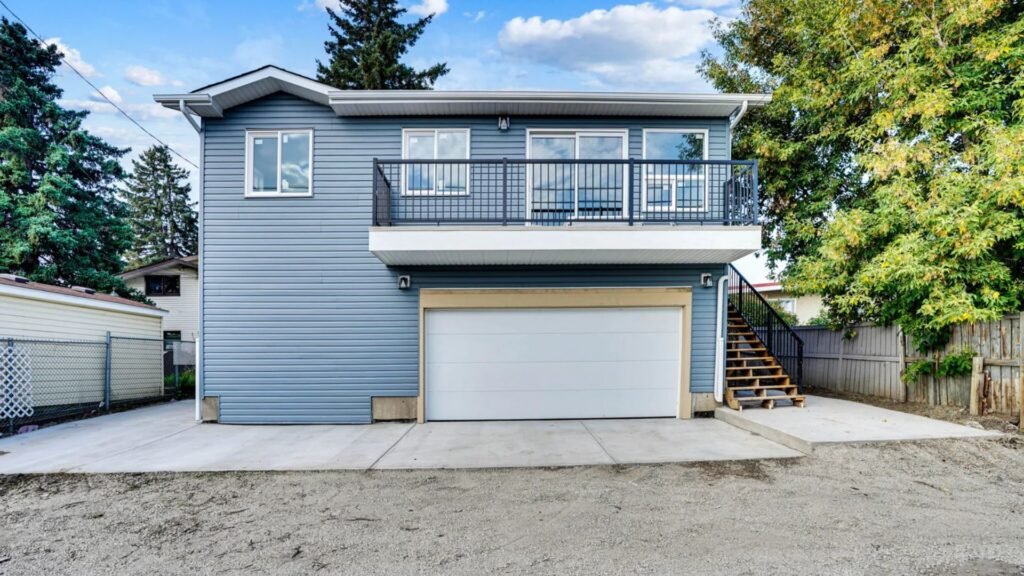
A backyard suite is a small and fully separated home which is built behind your main house.
It includes:
- Bedroom
- Bathroom
- Kitchen
- Living area
- Separate utilities
It is the same as your main home but it is detached from your main house.
In Calgary, backyard suites are allowed in many areas but they must follow some rules and permits.
They must meet building codes, zoning regulations and parking requirements.
2. Why are backyard suites becoming popular in Calgary?
The main reasons
Rising housing costs
In Calgary, home prices have been increasing every year. And rental demand is also growing.
Many people are looking for affordable rental options.
Backyard suites have affordable prices when compared to the main house.
Extra income for homeowners
Nowadays living costs are increasing like property taxes, utilities, and mortgages add up.
Many people are looking for secondary income so that it can reduce their financial pressure.
A backyard suite can give you monthly income.
Flexible living options
Some people are building backyard suites for:
- Aging parents
- Adult children
- Guests
- Future rental income
It creates flexibility.
3. How much does it cost to build a backyard suite in Calgary?
Cost is the important factor.
In Calgary, backyard suite construction typically costs:
$180,000 to $300,000 or more
It mainly depends on:
- Size
- Design
- Material quality
- Utility connections
- Permit fees
- Site preparation
Additional costs may include:
- Landscaping
- Utility upgrades
- Architectural design
- fencing
It is better to add an extra 10-15% for your budget.
In construction unexpected costs are common so it is better to add some extra amount.
4. How much rental income can a backyard suite generate?
Mainly rental income depends on:
- Location
- Size
- Market demand
In Calgary, one-bedroom backyard suite may rent for:
$1,300 to $ 1,800 per month
A two-bedroom unit can generate more rent.
For example:
Monthly rent: $1,600
Annual rent: $1,600*12 = $19,200
That is gross income before expenses.
5. What expenses should you expect?
Rental income is not only about profit.
You must consider:
- Property tax increase
- Insurance adjustments
- Maintenance costs
- Occasional repairs
- Vacancy periods
If your annual income is $19,200 and your expenses may range from $4,000 to $6,000, then your income is around $13,000 to $15,000 per year.
This can vary depending on your spendings.
6. What is the Return on Investment (ROI)?
Return on investment measures how long it takes to recover your construction cost.
Example:
Construction cost: $220,000
Net rental income per year:$14,000
$2220,000 / $14,000 = approximately 15-16 years
This means it usually takes up to 15-16 years to recover the initial investment by using rental income.
However, this does not include:
- Property appreciation
- Future rental increases
- Increased home value
In Calgary, real estate values are increasing over long periods.
Backyard suites are long-term investments, not short-term profits.
The backyard suite Calgary ROI usually takes around 15–16 years. This depends on construction cost, rental income, and maintenance expenses. Over time, rental increases and property appreciation can improve overall returns.
7. Does a backyard suite increase property value?
In most of the cases yes.
Homes which have backyard suites attracts:
- Investors
- Multi-generational families
- Buyers looking for income potential
Having a well-built backyard suite can increase your property value.
But the increased property value may not match with full construction cost immediately.
It depends on:
- Location
- Rental income potential
- Market demand
- Quality of construction
If a backyard site is well built then it usually improves resale value.
8. What permits are required in Calgary?
Backyard suites needs some approval
You will need:
- Development permit
- Building permit
- Utility approval
- Electrical and plumbing inspections
Rules may limit to:
- Maximum size
- Height
- Parking requirements
- Distance from property lines
If you skip permits it can lead to serious problem
Unapproved structures can lead to:
- Fines
- Resale problems
- Demolition orders
If you work with experienced professionals they ensure compliance.
9. Is financing a backyard suite easy?
Financing depends on:
- Your home equality
- Your credit
- Lender policies
Many homeowners use:
- Home equity loans
- Refinancing
- Construction loans
Some lenders consider future rental income when approving loans.
Before starting to discuss with the advisor.
If you plan properly it may reduce financial risk.
10. Risks to consider
Every investment has risks.
So the backyard also has some risks.
It includes:
- Construction delays
- Rising material costs
- Rental market changes
- Maintenance surprises
If you are landlord, then you need to handle
- Tenant screening
- Lease agreements
- Repairs
If you don’t want to handle this work, you can hire a property manager.
11. Comparing backyard suites to basement suites
Some may ask why not build a basement suite instead of backyard suites.
Actually basement suites cost less when compared to basement suites.
Backyard suite offer:
- More privacy for tenants
- Higher rental value
- Separate structure appeal
Basement suites may have less privacy.
The backyard suite provides more independence.
Basically it depends on your budget.
12. Who should consider a backyard suite?
Backyard suites are best for
- Long-term homeowners
- Investors
- Owners with strong home equity
- Families planning multi-generational living
They may not be ideal for:
- Short-term homeowners
- Homeowners with limited financial flexibility
- Individuals uncomfortable managing flexibility
It depends on your needs.
13. Long-term wealth building potential
Having backyard suites can support long-term financial stability.
It may include:
- Steady rental income
- Property value growth
- Retirement income support
If you stay many years in your home then you can get steady rental income but patience is key.
Final thoughts: Is it worth It?
In Calgary, building a backyard suite is a smart investment.
But it requires:
- Careful budgeting
- Permit compliance
- Responsible management
- Long-term commitment.
If you built properly and rent it, it can:
- Generate steady income
- Increase property value
- Provide flexible housing options
But you can’t get income easily.
It involves planning, financing and ongoing responsibility.
Before deciding, ask yourself:
- Can I afford the upfront cost?
- Am I comfortable being a landlord?
- Am I planning to stay long term?
If the answer is yes, you can consider a backyard suite as an investment.
If you are not sure then speak with a construction professional and financial advisor.
Before taking decisions we must have clear information.
Frequently Asked Questions
Is a backyard suite worth it in Calgary?
Yes, a backyard suite in Calgary can be a strong long-term investment with steady rental income and property value growth over time.
How much does a backyard suite cost in Calgary?
The cost typically ranges from $180,000 to $300,000, depending on size, design, materials, and site conditions.
How much rental income can a backyard suite generate?
A backyard suite in Calgary can generate around $1,300 to $1,800 per month based on location, size, and demand.
What is the ROI of a backyard suite in Calgary?
Backyard suite Calgary ROI usually takes about 15–16 years, depending on construction cost, rental income, and expenses.
Backyard Suite Rental-Income Examples
The examples below are illustrations, not rental guarantees. Actual rent, vacancy, financing, insurance, maintenance and tax treatment depend on the property and market conditions.
| Example monthly rent | Gross annual rent | Less 15% operating allowance | Illustrative net before financing and tax |
|---|---|---|---|
| $1,500 | $18,000 | $2,700 | $15,300 |
| $1,800 | $21,600 | $3,240 | $18,360 |
| $2,100 | $25,200 | $3,780 | $21,420 |
A simple payback estimate is total project cost divided by estimated annual net income. For example, a $250,000 project divided by $18,360 equals about 13.6 years before financing costs, taxes, major repairs or changes in rent. A proper decision should also consider property value, family use and long-term flexibility.
Get a site-specific feasibility review and construction scope from a backyard suite builder in Calgary.