
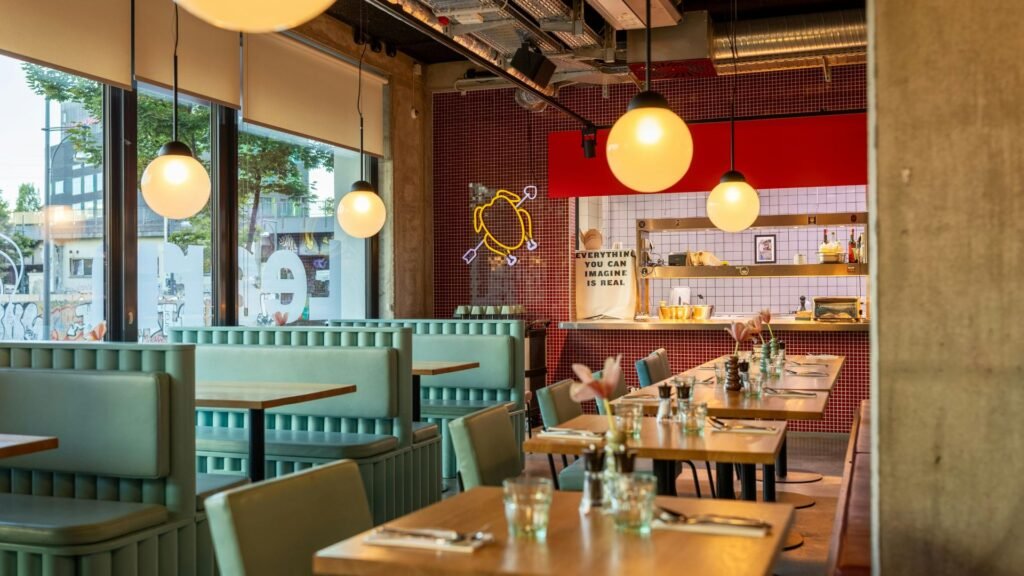
A commercial renovation checklist in Calgary includes defining goals, setting a budget, obtaining permits, planning layout, ensuring safety, selecting durable materials, improving energy efficiency, and completing final inspections.
Renovating a commercial space is a major step for any business. Whether you are opening a new restaurant or upgrading a medical clinic, the design and layout of your space directly impact customer experience and daily operations.
In Calgary, many business owners renovate their spaces to improve customer satisfaction, meet safety standards, and modernize their facilities. A well-planned renovation can also help attract more customers and create a comfortable work environment for employees.
However, commercial renovations are more complex than residential projects. Restaurants and clinics must follow strict building codes, safety regulations, and health requirements.
Without proper planning, renovation projects can face delays, increased costs, or compliance issues.
That’s why having a commercial renovation checklist Calgary is essential.
In this guide, we will walk through the key steps business owners should follow when planning a commercial renovation in Calgary, especially for restaurants and healthcare clinics.
Why Commercial Renovations Are Important for Businesses
A commercial space is more than just a building it represents your brand and shapes customer perception.
- Restaurants depend on layout, lighting, and ambiance to enhance dining experiences
- Clinics require clean, organized, and professional environments to build patient trust
Well-designed spaces can:
- Improve customer satisfaction
- Increase repeat visits
- Enhance staff productivity
In healthcare environments, proper design also improves workflow efficiency.
If you’re planning an upgrade, working with professionals offering commercial construction services in Calgary ensures compliance with local standards.
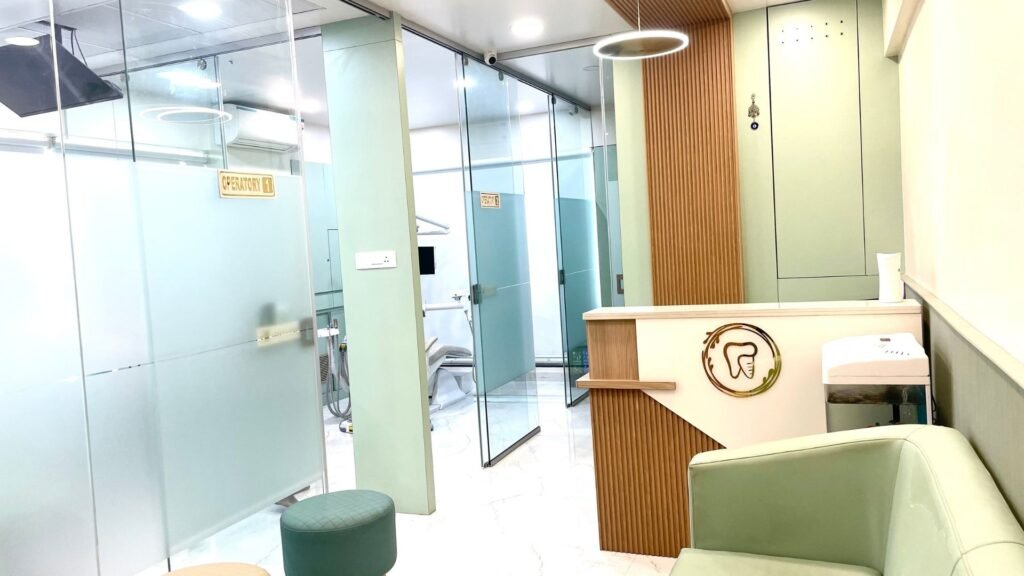
Step 1: Define Your Renovation Goals
Before starting any renovation project, business owners should clearly define their goals.
Ask yourself what you want to achieve with the renovation.
For example:
- Do you want to improve customer experience?
- Do you need more workspace for employees?
- Are you updating an outdated interior design?
- Are you expanding your business capacity?
Restaurants may focus on improving dining space, kitchen efficiency, or seating capacity.
Clinics may prioritize patient comfort, privacy, and better treatment rooms.
Having clear renovation goals helps guide design decisions and keeps the project focused.
Step 2: Set a Realistic Renovation Budget
Budget planning is one of the most important steps in any commercial renovation project.
The cost of commercial renovations in Calgary can vary depending on the size of the space and the type of business.
| Renovation Type | Estimated Cost Range |
| Restaurant renovation | $150 – $400 per square foot |
| Medical clinic renovation | $200 – $500 per square foot |
| Office renovation | $100 – $300 per square foot |
These estimates include construction work, materials, and labor costs.
However, business owners should also plan for additional expenses such as permits, design services, and equipment installation.Many renovation experts recommend setting aside an extra 10–15% contingency budget for unexpected costs.
Step 3: Understand Calgary Building Codes and Permits
Commercial renovation projects must follow city regulations and building codes.
Permits are usually required for:
- Structural changes
- Electrical work
- Plumbing modifications
- HVAC system upgrades
- Fire safety systems
Restaurants and clinics often have additional regulations related to health and safety.
For example, restaurants must follow food safety requirements, while clinics must meet healthcare facility standards.
Applying for permits early in the planning stage helps avoid delays later.
Experienced contractors usually handle the permit application process on behalf of the business owner.
Step 4: Plan an Efficient Layout
The layout of a commercial space plays a major role in daily operations.
A poorly designed layout can slow down staff and reduce productivity.
For restaurants, important layout considerations include:
- Kitchen workflow
- Food preparation areas
- Storage space
- Dining room seating arrangement
Efficient kitchen design helps staff prepare and serve food quickly.
For clinics, layout planning should focus on patient comfort and privacy.
Important areas include:
- Reception and waiting areas
- Examination rooms
- Treatment rooms
- Staff workstations
A well-planned layout improves both customer experience and staff efficiency.
Step 5: Focus on Safety and Accessibility
Safety is a top priority in commercial renovations.
Buildings must meet fire safety standards and accessibility requirements.
Common safety features include:
- Fire alarm systems
- Emergency exits
- Proper ventilation
- Non-slip flooring
- Accessible entrances and washrooms
Accessibility is especially important in clinics where patients may have mobility challenges.
Following accessibility standards ensures that the space is welcoming and usable for everyone.
Step 6: Choose Durable Materials
Commercial spaces experience much heavier daily use than residential properties.
Because of this, material selection is very important.
Restaurants need materials that are easy to clean and resistant to spills or stains.
Clinics require surfaces that maintain high hygiene standards.
Common commercial renovation materials include:
- Durable flooring such as vinyl or tile
- Stainless steel surfaces in kitchens
- Moisture-resistant wall materials
- Commercial-grade lighting fixtures
Choosing durable materials may cost more initially, but it reduces maintenance and repair costs in the long run.
Step 7: Upgrade Lighting and Interior Design
Lighting and interior design play an important role in how customers experience a space.
In restaurants, lighting helps create the right atmosphere for dining.
Warm lighting can create a comfortable and relaxing environment for guests.
Clinics, on the other hand, benefit from bright and clean lighting that helps patients feel safe and confident in the facility.
Interior design elements such as colors, furniture, and décor should reflect the brand identity of the business.
A well-designed space can leave a strong impression on visitors and improve the overall customer experience.
Step 8: Improve Energy Efficiency
Energy efficiency is becoming an important consideration in commercial renovation projects.
Upgrading building systems can help reduce long-term operating costs.
Examples include:
- Energy-efficient lighting systems
- Modern HVAC systems
- Improved insulation
- Smart temperature control systems
Many commercial buildings in Calgary upgrade their energy systems during renovation to lower utility costs and improve sustainability.
Step 9: Plan Construction Timeline Carefully
Renovation projects can temporarily disrupt business operations.
For restaurants and clinics, downtime can affect revenue.
Because of this, it is important to create a clear construction timeline.
Some businesses schedule renovations during slower seasons or temporarily relocate operations during major construction work.
Working with experienced contractors can help ensure the project stays on schedule and minimizes disruption.
Step 10: Conduct Final Inspection Before Opening
Before reopening the business after renovation, it is important to perform a final inspection.
This step ensures that all construction work meets safety and regulatory standards.
Inspections may include:
- Electrical system testing
- Plumbing inspections
- Fire safety checks
- Building code compliance review
Once everything passes inspection, the space is ready for customers and staff to return.
A proper final review ensures the renovation project is completed successfully.
Common Mistakes to Avoid in Commercial Renovations
Many commercial renovation projects face problems due to poor planning.
Some common mistakes include:
- Starting construction without a clear budget
- Ignoring permit requirements
- Choosing low-quality materials
- Hiring inexperienced contractors
- Making design changes during construction
Avoiding these mistakes can save both time and money.
Planning ahead and working with experienced professionals helps keep the project organized and efficient.
Final Thoughts
Commercial renovations play an important role in helping businesses grow and stay competitive.
Whether you are renovating a restaurant or upgrading a medical clinic, a well-designed space can improve customer experience, increase efficiency, and strengthen your brand image.
However, commercial renovation projects require careful planning.
Business owners must consider factors such as budget, building codes, layout design, safety requirements, and construction timelines.
Following a clear renovation checklist helps ensure that the project runs smoothly from start to finish.
With proper planning and the support of experienced construction professionals, businesses in Calgary can create modern, functional spaces that serve customers and staff effectively for many years.
Frequently Asked Questions
How much does a commercial renovation cost in Calgary?
Commercial renovation costs range from $100 to $500 per square foot depending on the business type, design complexity, and materials used.
Do I need permits for commercial renovation in Calgary?
Yes, permits are required for structural, electrical, plumbing, and HVAC changes to meet building codes and safety regulations.
How long does a commercial renovation take?
Most commercial renovations take 4 to 16 weeks depending on project size, permits, and construction complexity.
What is the most important factor in commercial renovation?
Planning is the most important factor, including budget, layout design, and compliance with building codes.