

Starting or expanding a business is exciting. Whether you plan to open a restaurant, office, clinic, retail store, or warehouse, the building where your business operates plays a major role in its success.
This is where working with experienced commercial construction experts in Calgary becomes important.
Commercial construction involves building or renovating spaces designed for business use. These projects require careful planning, permits, skilled contractors, and strict safety standards.
For business owners, understanding this process helps avoid delays, control costs, and create a space that supports long-term growth.
This guide explains what business owners must know about commercial construction in Calgary in simple and clear terms.
What Is Commercial Construction?
Commercial construction refers to building or renovating structures used for business activities.
These buildings include:
- Offices
- Restaurants
- Retail stores
- Medical clinics
- Warehouses
- Hotels
- Industrial buildings
Unlike residential homes, commercial buildings must follow additional safety rules, zoning regulations, and accessibility requirements.
Commercial construction projects also involve larger budgets, more complex designs, and specialized contractors.
Why Is Commercial Construction Important for Businesses?
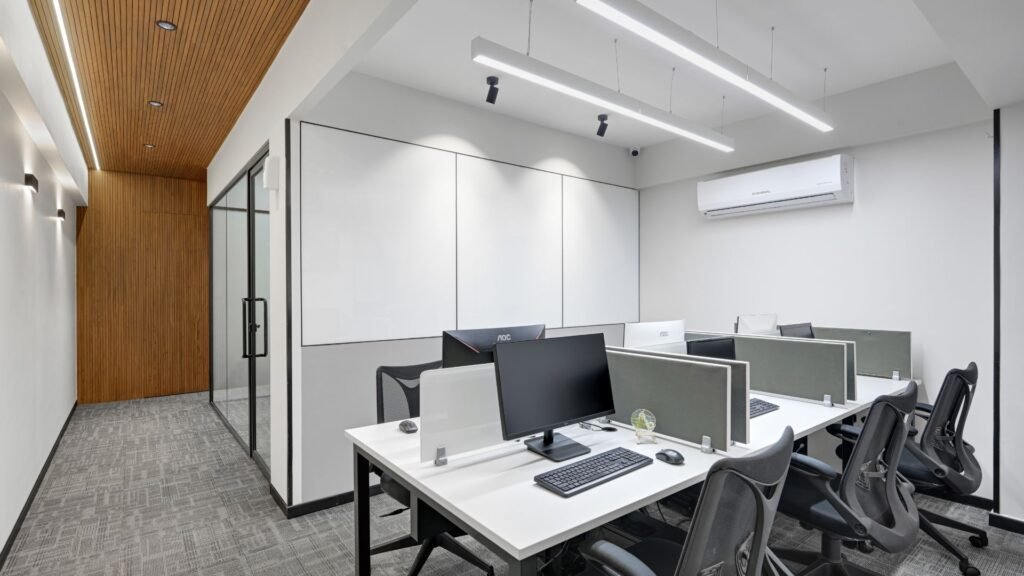
A well-designed commercial space directly impacts business performance.
It improves:
- Customer experience
- Employee productivity
- Brand image
- Operational efficiency
For example, a restaurant with an efficient kitchen layout can serve customers faster, while a well-designed clinic improves patient flow.
That’s why many business owners choose professional commercial construction services in Calgary to build functional and attractive spaces.
Types of Commercial Construction Projects
Commercial construction projects vary depending on the needs of the business.
Below are some of the most common types.
1. Office Construction
Office buildings are designed for professional work environments.
These spaces usually include:
- Workstations
- Meeting rooms
- Reception areas
- Break rooms
Modern offices often include open layouts and collaborative spaces.
2. Restaurant Construction
Restaurants require specialized construction.
Important areas include:
- Commercial kitchens
- Dining spaces
- Food preparation zones
- Ventilation systems
Restaurant construction must also meet strict health and safety regulations.
3. Medical Clinic Construction
Medical facilities must meet specific healthcare standards.
These buildings may include:
- Patient rooms
- Examination rooms
- Laboratories
- Waiting areas
Proper ventilation, sanitation, and accessibility are essential for medical spaces.
4. Retail Store Construction
Retail spaces focus on customer experience and product display.
Construction planning often includes:
- Attractive storefronts
- Product shelving layouts
- Lighting design
- Customer flow planning
Good design encourages customers to explore the store and stay longer.
Step-by-Step Commercial Construction Process
Building a commercial space involves several important stages.
Understanding these stages helps business owners prepare for the process.
Step 1: Planning and Project Design
The first stage is planning.
Business owners work with architects and contractors to design the building layout.
This stage includes:
- Floor plans
- Structural design
- Space planning
- Budget estimation
Good planning ensures the building meets business needs before construction begins.
Step 2: Budgeting and Cost Estimation
Commercial construction costs vary depending on size, location, and materials.
In Calgary, commercial construction may cost between:
$200 to $450 per square foot, depending on the complexity of the project.
Typical cost factors include:
- Materials
- Labor
- Permits
- Mechanical systems
- Interior finishes
Creating a clear budget early helps avoid financial surprises later.
Step 3: Obtaining Permits and Approvals
Before construction begins, businesses must obtain permits from the City of Calgary.
Permits ensure the building meets safety and zoning requirements.
These permits may include:
- Development permits
- Building permits
- Electrical permits
- Plumbing permits
Professional contractors often help manage this process.
Step 4: Site Preparation
Once permits are approved, construction teams prepare the building site.
Site preparation may include:
- Land clearing
- Excavation
- Soil testing
- Utility connections
Proper site preparation is important for structural stability.
Step 5: Structural Construction
It also involves design the main structure.
Construction crews install:
- Foundations
- Structural framing
- Roof systems
- Exterior walls
This creates the basic structure of the commercial building.
Step 6: Mechanical and Electrical Systems
After the structure is complete, contractors install important systems such as:
- Electrical wiring
- Plumbing
- Heating and cooling systems
- Fire protection systems
These systems allow the building to operate safely and efficiently.
Step 7: Interior Finishing
Interior finishing transforms the building into a functional business space.
This stage includes:
- Flooring installation
- Lighting systems
- Painting and wall finishes
- Cabinets and fixtures
Interior design plays a major role in customer experience.
Step 8: Final Inspection and Approval
Before opening the building, city inspectors review the project.
They check:
- Building safety
- Electrical systems
- Fire protection
- Accessibility compliance
Once approved, the building can legally operate as a business space.
Important Regulations in Calgary
Commercial construction must follow strict building regulations.
These rules protect public safety and ensure buildings are accessible to everyone.
Key regulations include:
Building Codes
All buildings must follow the Alberta Building Code, which sets safety standards for construction.
Accessibility Requirements
Commercial buildings must be accessible to people with disabilities.
This may include:
- Wheelchair ramps
- Accessible entrances
- Wide hallways
- Accessible washrooms
Fire Safety Regulations
Fire safety systems are required in commercial buildings.
These systems may include:
- Fire alarms
- Sprinkler systems
- Emergency exits
- Fire-resistant materials
Common Challenges in Commercial Construction
Commercial construction projects can face several challenges.
Understanding these challenges helps business owners prepare better.
Budget Changes
Material prices can fluctuate due to market conditions.
Planning a contingency budget can help manage unexpected costs.
Construction Delays
Weather, labor shortages, or permit approvals may delay projects.
Experienced contractors help manage schedules and minimize delays.
Design Changes
Changing the building design during construction can increase costs.
It is best to finalize design decisions before construction begins.
Benefits of Professional Commercial Construction Services
Hiring experienced contractors offers several advantages.
Efficient Project Management
Professional builders coordinate workers, materials, and schedules effectively.
High-Quality Construction
Experienced contractors follow proper building standards and use durable materials.
Compliance With Regulations
Professional teams understand Calgary building codes and permit processes.
Long-Term Cost Savings
Quality construction reduces maintenance and repair costs in the future.
Tips for Business Owners Planning Construction
If you are planning a commercial construction project, these tips can help.
Define Your Business Needs
Think about how your business will use the space.
Consider:
- Customer flow
- Storage requirements
- Staff workspace
- Equipment placement
Plan for Future Growth
Design the building so it can expand or adapt in the future.
Choose Experienced Contractors
Hiring professionals with commercial construction experience improves project success.
Set a Realistic Budget
Include construction costs, permits, interior design, and contingency funds.
Why Many Businesses Invest in Custom Construction
Custom commercial construction allows businesses to create spaces tailored to their operations.
Benefits include:
- Better workflow
- Improved customer experience
- Strong brand identity
- Efficient use of space
Many companies prefer custom construction because it supports long-term growth and productivity.
Commercial vs Residential Construction: Key Differences
Commercial construction focuses on business use, while residential construction is designed for living spaces. Commercial projects require stricter regulations, larger budgets, and more complex systems compared to residential construction.
Key differences include:
- Purpose: Business vs living
- Regulations: More strict in commercial
- Cost: Higher in commercial projects
- Design: Functionality and workflow focused
Final Thoughts
Commercial construction is a major investment for any business owner in Calgary.
From planning and budgeting to permits and final inspections, each stage requires careful attention. A well-designed commercial building not only supports daily operations but also strengthens the business brand and customer experience.
Understanding the construction process helps business owners make informed decisions and avoid common challenges.
Working with experienced professionals ensures the project meets Calgary’s building standards and is completed safely and efficiently.
Whether you are opening a new restaurant, expanding an office, or building a retail store, the right construction partner can turn your business vision into a successful commercial space.
Frequently Asked Questions
Can commercial construction projects be customized for specific business needs?
Yes, commercial construction projects can be fully customized to match specific business operations, including layout design, equipment placement, branding elements, and future expansion plans.
What should business owners consider before starting commercial construction?
Business owners should consider budget, location, building design, permits, timeline, and how the space will support daily operations and future growth.
What are the common challenges in commercial construction projects?
Common challenges include budget overruns, project delays, permit approvals, and design changes during construction. Proper planning and experienced contractors help reduce these risks.
How can commercial building design impact business success?
A well-designed commercial space improves customer experience, increases employee productivity, strengthens brand identity, and enhances overall operational efficiency.