
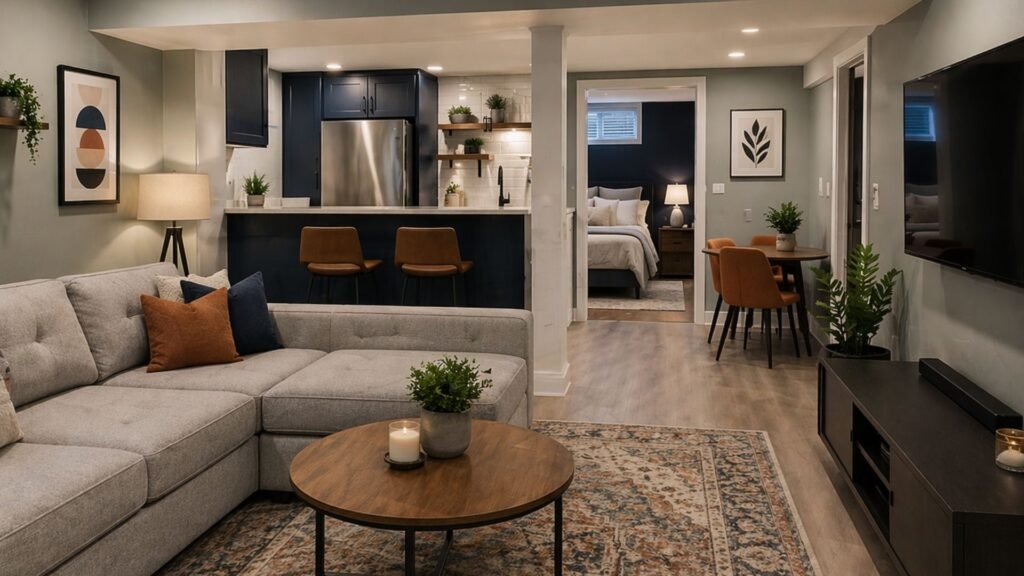
A basement suite is one of the smartest ways to add extra living space and rental income to a home in Calgary. But building one is not just about adding walls and a kitchen downstairs. It must follow city rules, safety codes, and legal requirements. That’s why choosing the right professional matters so much.
A skilled Basement suite builder Calgary homeowners trust plays a major role in turning an unused basement into a safe, legal, and comfortable living unit. In this guide, you’ll understand what makes these builders reliable, what to expect from the process, and how they help homeowners avoid costly mistakes.
Why Basement Suites Are So Popular in Calgary
More homeowners in Calgary are investing in basement suites for simple reasons:
- Extra monthly rental income
- More usable space in the home
- Higher property value
- Flexible living arrangements for family members
But there’s one important condition: the suite must be legal. Illegal suites can lead to fines, insurance problems, and safety risks. That’s where experienced professionals come in.
A knowledgeable basement renovation specialist ensures everything is built according to Alberta’s building codes and Calgary’s municipal regulations.
What Makes a Basement Suite Legal in Calgary?
Before understanding builders, it’s important to know what “legal suite” actually means.
A legal basement suite must follow strict safety and design rules, such as:
- Proper emergency exits (egress windows)
- Fire-resistant materials between units
- Adequate ceiling height
- Separate heating and ventilation systems
- Soundproofing between floors
- Approved electrical and plumbing systems
- City permits and inspections
If even one requirement is missing, the suite may be considered illegal. That’s why planning and professional execution are essential.
Role of a Basement Suite Builder Calgary Homeowners Trust
A reliable builder does much more than construction work. They manage the entire process from design to approval.
Here’s what they typically handle:
1. Planning and Design
They start by assessing your basement space and understanding your goals. Whether you want a rental unit, in-law suite, or guest apartment, they create a layout that fits your needs while meeting legal standards.
2. Permit Approval
One of the most complicated parts is dealing with city permits. A professional helps prepare drawings, documentation, and submissions required by Calgary authorities.
3. Code-Compliant Construction
From framing to flooring, every step follows building codes. This ensures the suite passes inspections without delays.
4. Electrical and Plumbing Setup
Licensed experts handle wiring, lighting, drainage, and water supply so everything works safely and efficiently.
5. Final Inspection and Certification
Before you can rent or use the suite, final inspections confirm everything is legal and safe.
Key Qualities of a Reliable Basement Suite Builder
Not all contractors deliver the same level of quality. Homeowners usually rely on builders who show these important qualities:
1. Experience with Legal Suites
Experience matters because legal basement suites have many technical rules. Builders familiar with Calgary regulations avoid common mistakes.
2. Strong Knowledge of Building Codes
A trustworthy renovation expert always stays updated with Alberta building codes and zoning laws.
3. Transparent Communication
Good builders explain every step clearly cost, timeline, design choices, and approvals so homeowners are never confused.
4. Proper Licensing and Insurance
This protects both the homeowner and the construction team in case of accidents or damages.
5. Portfolio of Completed Projects
Seeing past projects helps you understand the builder’s quality and design capability.
Common Mistakes Homeowners Avoid with Professional Help
Without expert guidance, homeowners often face serious issues like:
- Building without permits
- Poor ventilation or lighting
- Unsafe electrical wiring
- Non-compliant room sizes
- Failed city inspections
- Difficulty renting out illegal suites
A professional basement construction contractor helps avoid all these problems by following proper steps from the beginning.
Step-by-Step Process of Building a Legal Basement Suite
Understanding the process helps you know what to expect when working with a professional builder.
Step 1: Initial Consultation
The builder inspects your basement and discusses your vision, budget, and requirements.
Step 2: Design and Planning
A detailed layout is created, including bedrooms, kitchen, bathroom, and living area.
Step 3: Permit Application
Plans are submitted to the city for approval before any construction begins.
Step 4: Construction Work
Framing, insulation, flooring, plumbing, and electrical systems are installed.
Step 5: Interior Finishing
Walls, paint, cabinets, and fixtures are added to complete the space.
Step 6: Inspection and Approval
Final inspections ensure everything meets legal standards.
Why Legal Compliance Is So Important
Many homeowners think skipping permits saves money. In reality, it can lead to bigger problems.
A legal suite ensures:
- Safety for tenants and family members
- Proper insurance coverage
- Higher property resale value
- Peace of mind with city approval
Working with a certified basement suite contractor ensures your investment is protected for the long term.
How Builders Improve Rental Value of Your Basement Suite
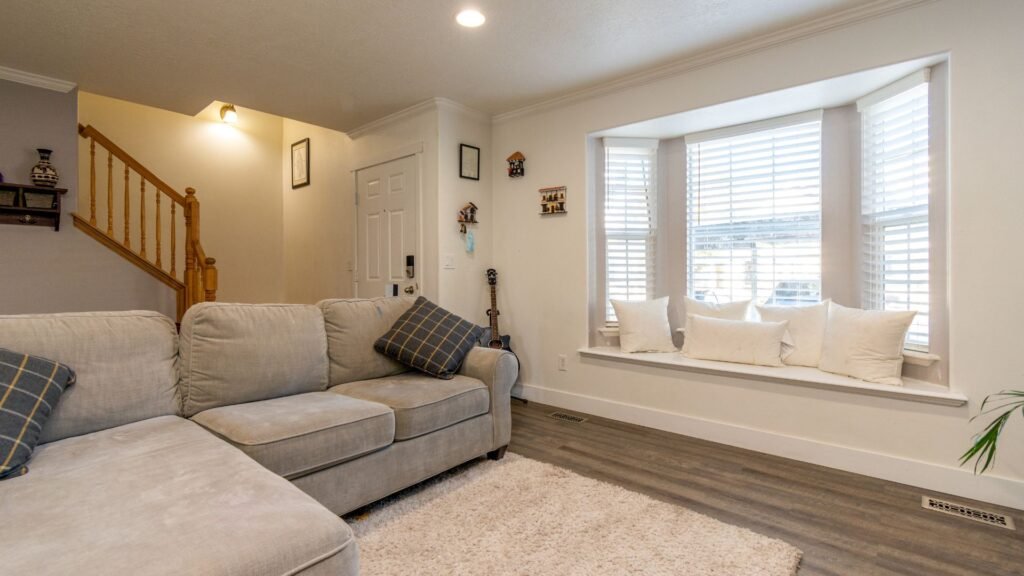
A well-designed basement suite can generate steady rental income. Professionals make sure the space is attractive and functional for tenants.
They focus on:
- Modern kitchen and bathroom design
- Good lighting and ventilation
- Private entrances for tenants
- Soundproof walls for privacy
- Durable and low-maintenance materials
These improvements help homeowners attract better tenants and higher rent.
Signs You Are Working with the Right Builder
Before hiring, look for these positive signs:
- Clear written contract
- Detailed cost breakdown
- Realistic project timeline
- Knowledge of city regulations
- Positive client reviews
- Willingness to answer questions
If a contractor avoids transparency, it’s a warning sign.
How a Basement Suite Helps Long-Term Financial Growth
A legal basement suite is not just a construction project it’s a long-term investment.
Benefits include:
- Monthly rental income to cover mortgage
- Increased home value
- Better resale opportunities
- Financial stability during inflation
Many Calgary homeowners use basement suites as a way to support long-term financial goals.
Final Thoughts
Building a basement suite is a smart decision, but only when done correctly. Legal requirements, safety standards, and proper construction all play a major role in the success of the project.
A professional and experienced Basement suite builder Calgary residents rely on ensures every step from planning to final inspection is handled properly. This not only protects your investment but also gives you a safe, comfortable, and income generating space.
If you want to understand the complete process in detail, you can read our guide on How a Basement Suite Builder in Calgary Ensures Safe and Legal Basement Suites.
When done right, a basement suite is more than just extra rooms it becomes a valuable part of your home and financial future.
Frequently Asked Questions
What is the difference between a legal and illegal basement suite in Calgary?
A legal basement suite has city approval, proper permits, and meets safety codes, while an illegal suite does not follow these regulations and may lead to fines or insurance issues.
What are the main requirements for a legal basement suite in Calgary?
A legal basement suite must include proper egress windows, fire separation, adequate ceiling height, ventilation, and approved electrical and plumbing systems.
Can a basement suite be used for Airbnb or short-term rental in Calgary?
It depends on local regulations and zoning rules. Some areas allow short-term rentals only if the suite is fully legal and meets licensing requirements.
What makes a basement suite more attractive to tenants?
Tenants prefer suites with private entrances, good lighting, soundproofing, modern finishes, and proper heating and ventilation systems.